REVIEW · PORTLAND
Volcano & Mountain Air Tour by Envi Adventures
Book on Viator →Operated by Envi Adventures, LLC · Bookable on Viator
Cabin views get serious fast. This Mt. St. Helens crater flight is a short, no-hike way to see big chunks of the Pacific Northwest from the air, with passes and angles that are hard to match from ground level. You’ll also fly around Oregon’s taller peaks, including Mt. Hood and Mt. Adams, so the whole ride feels like one long photo stop.
I really like two things about this tour: every passenger gets a window seat (no sharing awkward angles), and you’re given individual headsets so you can hear the pilot’s explanations while you look out. The main catch is weather. This experience requires good conditions, so cloudy or unsafe weather can lead to a different date or a full refund.
In This Review
- Key Things to Know Before You Go
- Mt. St. Helens Crater Passes From Troutdale
- The Full 2-Hour Flow: St. Helens, Hood, and Mt. Adams
- First stop: Mt. St. Helens
- Second stop: Mt. Hood
- Third stop: Mt. Adams area
- Why You’ll Actually Hear the Pilot (Headsets Matter)
- Aircraft Reality: Airplane Flying vs. Helicopter Expectations
- Price and Value: What $458.10 Buys You
- Weather, Weight Limits, and the Small-Group Reality
- Photo Tips That Actually Help From a Window Seat
- Where It Fits Best: Who Should Book This Flight
- The Bottom Line: Should You Book This Air Tour?
- FAQ
- How long is the Volcano & Mountain Air Tour?
- Where do I meet for the tour?
- Is this tour operated with helicopters?
- Do I get a window seat and headsets?
- What is the maximum group size?
- Is the tour offered in English?
- Do I need to provide passenger weights?
- What happens if the weather is poor?
- What is the cancellation policy?
Key Things to Know Before You Go
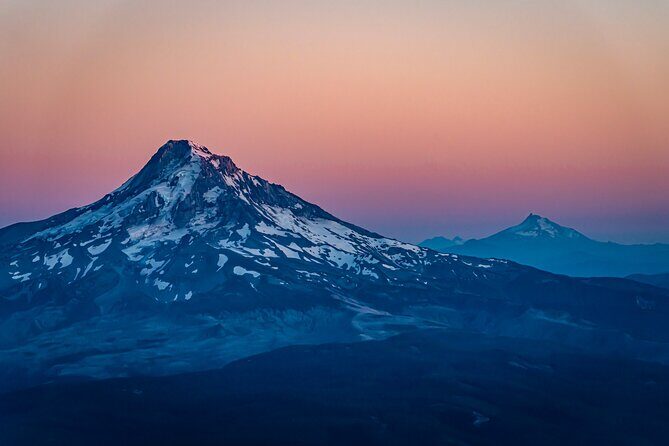
- Window-seat setup means better photos: you won’t be stuck looking at someone else’s view.
- Airplane tour, not helicopter: it’s built for scenic flying, and you’ll get the best angles when the flight path lines up.
- Small group size (max 5): you’re less likely to feel rushed or lost in the crowd.
- Pilots who answer questions: reviews highlight pilots like JP and John for handling questions calmly and clearly.
- Good weather is the whole deal: plan for flexibility, even if you book ahead.
Mt. St. Helens Crater Passes From Troutdale
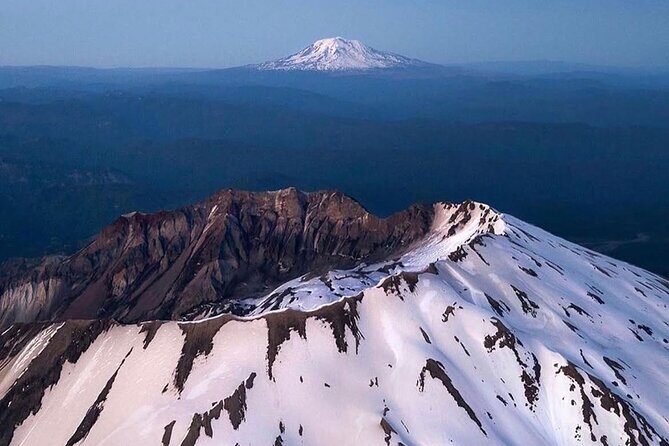
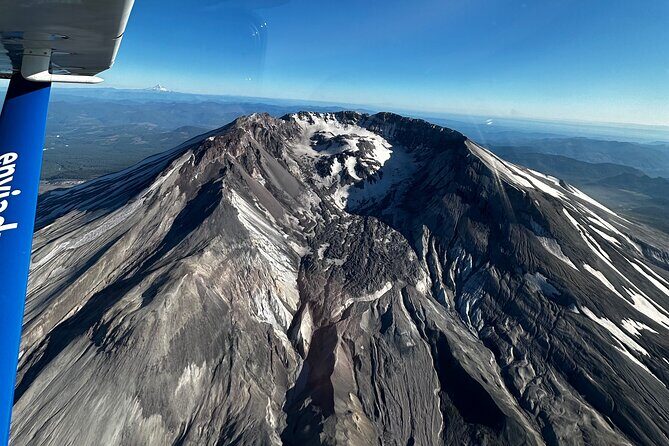
If you’ve ever looked at photos of Mt. St. Helens and wondered what the crater looks like in real life, this flight is the shortcut. Instead of a long drive plus a hike, you get a scenic route that flies past the volcano, with time to peek into the crater and then circle back around the mountain. It’s the kind of experience that makes you stop thinking about the logistics and just start thinking about the view.
I also like that the tour focuses on actual sightings, not just flying time. The order matters: you start with the big draw (Mt. St. Helens), then keep the momentum by moving on to other major peaks. By the time you’re looking at the next mountain, you’re already in that headspace where you can read the terrain from above.
One practical detail: you’re departing from Troutdale (at 1350 NW Perimeter Way). That matters because it keeps the day simple. You’re not spending hours on the road trying to “get close enough” to volcano country.
More Air Tours & Scenic Flights in Portland

The Full 2-Hour Flow: St. Helens, Hood, and Mt. Adams
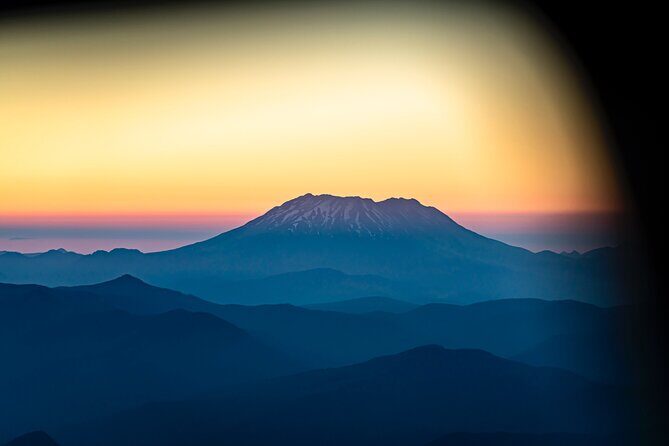
This is listed at about 2 hours, and that’s a good length for a first air tour. Long enough to feel like you actually did something special, short enough that it doesn’t eat your entire day.
Here’s what each major part is built to do.
First stop: Mt. St. Helens
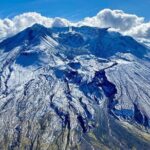
The focus is straightforward: you fly past North America’s famous volcano, then get the chance to peek into the crater. You’re not just skimming the base. The goal is for you to see the mountain’s key features and get photos that feel much closer than typical airplane window shots.
What to expect: big visual contrast—snow/rock textures, the crater shape, and the way ridges fold into valleys.
What can limit you: visibility. If the sky is hazy, you’ll still see plenty, but the crispness you want for crater photos may suffer.
Second stop: Mt. Hood
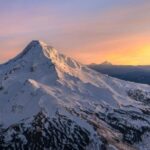
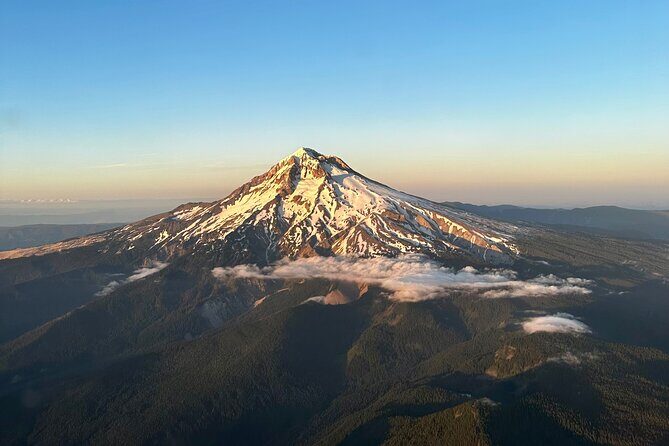
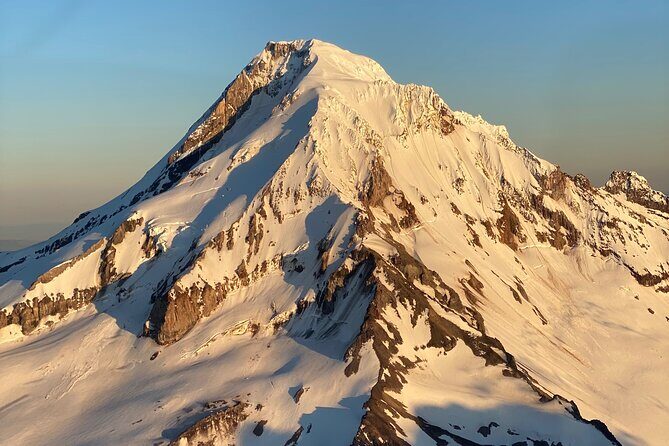
Next is Oregon’s tallest mountain, and the experience shifts from crater-watching to flying around the mountain for cleaner, more sweeping angles. Hood’s shape reads really well from above, especially when you can see the slopes and surrounding ridges in one frame.
What to expect: lots of “one big shot” moments where you can include several mountain features at once.
What to watch for: glare off the window. With the right angle, you can reduce reflections; with the wrong angle, your best shots will look cloudy even when the view is sharp.
Third stop: Mt. Adams area
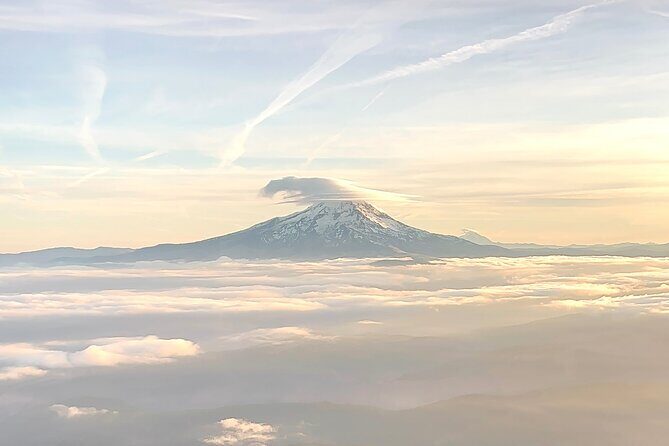
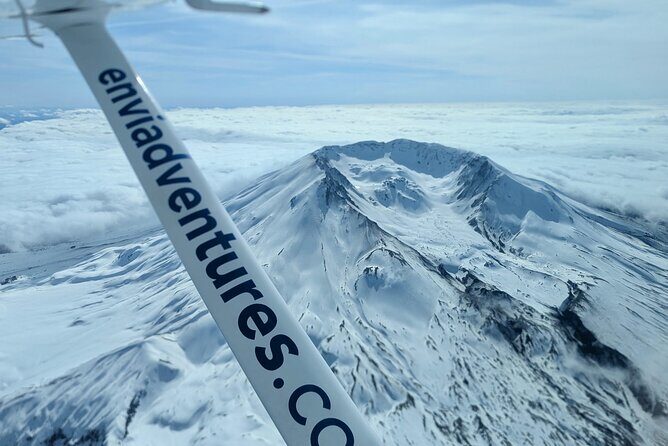
The final segment is about the surroundings of Mt. Adams. This is where the flight starts to feel less like a single landmark tour and more like a scenic scan of the region’s volcanic geography.
What to expect: broader context—how peaks relate to each other, how valleys open up, and how the terrain changes from one side of the mountain to the other.
What to watch for: timing. As the tour ends, you’ll want your camera ready and your seat comfortable, because you won’t want to fumble right when the view gets good.
More Mt St Helens Tours
Why You’ll Actually Hear the Pilot (Headsets Matter)
A lot of air tours sound great on paper—until you realize you can’t understand the pilot over wind and engine noise. Here, individual headsets are included, which changes the whole vibe. You’re not stuck guessing what you’re looking at.
From the reviews, the pilots are especially praised for answering questions and explaining what you’re seeing in a clear, confident way. People mention pilots named JP and John, and that’s a big hint: the tour doesn’t feel silent and random. It feels like someone is actively guiding your attention.
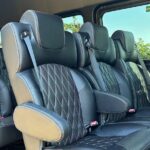
Also, the tour includes all passengers getting a window seat, which is more than a comfort perk. It’s a photo and enjoyment upgrade. You won’t be negotiating where to sit so you can see. You’ll just look.
Aircraft Reality: Airplane Flying vs. Helicopter Expectations
This is operated with airplanes, not helicopters. That’s a key factor when you’re deciding if the experience fits your expectations. Airplanes typically mean a smoother, more consistent route and less of the tight hovering you might imagine from helicopter footage. The upside is you often get more stable views and a comfortable ride.
So here’s how I’d frame it: if you want to feel the thrill of a helicopter approach, you might be comparing this to the wrong thing. But if you want big scenic views of multiple volcanoes in a short window, an airplane is an efficient match.
One more detail that affects the day: you’re asked to arrive at least 30 minutes prior to the start time. That’s not just a suggestion. With small groups, they run on schedule, and arriving early keeps you from feeling rushed.
Price and Value: What $458.10 Buys You
At $458.10 per person, this isn’t a budget activity. But the value comes from the combination of things you’re getting: a short duration, multiple major peaks, and included seat comfort that directly affects your experience.
Here’s what you’re paying for:
- Time efficiency: about 2 hours to see several iconic mountains.
- Low group size (maximum 5 travelers): less scrambling and more personal attention.
- Included gear that changes the experience: window seat for everyone plus headsets.
- A guided viewing angle: the pilot isn’t just flying; people praise the explanations and Q and A.
If you’re wondering whether it’s worth it, a helpful way to judge is this: would you pay for the speed and certainty of seeing these landmarks from above without spending a full day on roads and trails? If yes, the price starts to make sense.
Also, the company offers group discounts. If you can travel with others, the cost-per-person can improve compared to solo booking. Booking averages note it’s often reserved about a month ahead, which is a sign that people plan this kind of flight intentionally.
And if you’re looking at bigger packages within the same adventure style, one review mentions a trifecta package and an extra stop add-on for $99 that they felt was worth it. That tells me there may be ways to tailor the route. Just confirm what’s included in the specific option you select.
Weather, Weight Limits, and the Small-Group Reality
This tour requires good weather. That’s not vague marketing talk; it’s a practical limitation. Cloud cover, low visibility, or unsafe conditions can change plans. The good news is that when weather cancels the experience, you’ll be offered a different date or a full refund.
The other factor that can surprise people is weight coordination. This tour uses aircraft loading rules:
- Group weight not to exceed 600 pounds per group of 3 or 925 per group of 5
- Individual weights not to exceed 250 per person
- You need to provide weights for all passengers when booking
So if you’re traveling as a group, it’s worth doing the admin early. It can prevent delays later and helps the operator plan safely with the small max group size.
Finally, children must be accompanied by an adult, and the tour notes that most people can participate. Still, it’s a flight, not a walkaround sightseeing stop, so you’ll want to be comfortable sitting and looking out for the full stretch.
Photo Tips That Actually Help From a Window Seat
With window seats, you’ll get better odds than most tours—but photography still comes down to technique. I’d set yourself up like this:
- Bring a small lens wipe (or at least a clean cloth). Windows can show smudges and micro-scratches.
- Aim to reduce glare by changing your camera angle slightly, not by moving away from the window.
- Use burst or fast shots when the plane lines up with the mountains. The best angles can be brief.
- Expect lighting changes as you move from one peak to another. If one mountain looks perfect and the next looks washed out, it’s often the sun angle, not your camera.
Also, treat the tour like a timed photo run. You’ll likely want to capture Mt. St. Helens crater moments first, then adjust expectations for broader “fly-around” views of Mt. Hood and the Mt. Adams area.
Where It Fits Best: Who Should Book This Flight
This tour makes the most sense for you if:
- You want big-name volcano views without hiking.
- You’re short on time but want a meaningful experience.
- You care about audio and storytelling, thanks to headsets and the pilot’s Q and A style.
- You prefer smaller groups (max 5) over crowded, chaotic sightseeing.
It’s also a good fit for families when everyone can handle a short flight. One review praised the tour as a highlight for a family with a 10-year-old, and that’s a good sign for kid-friendly stamina—just remember the tour requires an adult to accompany children.
If you’re the type who needs a lot of walking and hands-on time, you might find this too “sit and look.” But for many people, that’s the point: you’re buying time-saved access to volcano viewpoints.
The Bottom Line: Should You Book This Air Tour?
Book it if you want the fastest path to crater-adjacent Mt. St. Helens views and clear scenic passes over Mt. Hood and Mt. Adams. The included window seats and individual headsets make it feel less like a sightseeing flight and more like a guided experience with real interpretation.
Pass, or at least compare options, if weather isn’t something you can be flexible with. Since the tour requires good conditions, you’ll want the mindset that your timing might shift.
If you’re on the fence, one smart move is to look at your travel window and pick a day with some breathing room. That way, if clouds roll in, you’re not panicking about rescheduling—you’re already set up for it.
FAQ
How long is the Volcano & Mountain Air Tour?
It’s listed at about 2 hours (approx.).
Where do I meet for the tour?
The meeting point is 1350 NW Perimeter Way, Troutdale, OR 97060, USA.
Is this tour operated with helicopters?
No. It’s operated with airplanes, not helicopters.
Do I get a window seat and headsets?
Yes. All passengers get a window seat, and individual headsets are included.
What is the maximum group size?
The tour has a maximum of 5 travelers.
Is the tour offered in English?
Yes, it’s offered in English.
Do I need to provide passenger weights?
Yes. You must provide weights for all passengers when booking, and there are weight limits (including individual weight not to exceed 250 per person).
What happens if the weather is poor?
This experience requires good weather. If it’s canceled due to poor weather, you’ll be offered a different date or a full refund.
What is the cancellation policy?
Free cancellation is available. You can cancel up to 24 hours in advance for a full refund, but cancellations less than 24 hours before start time are not refunded.
You Might Also Enjoy


More Tour Reviews in Portland
- The Real Portland Tour: City and 3 Lighthouses Historical Tour with a Real Local
★ 5.0 · 1,448 reviews