REVIEW · PORTLAND
Portland, Maine Madness Scavenger Hunt
Book on Viator →Operated by Alley Kat Adventures · Bookable on Viator
This is a city game you run from your phone. It mixes live remote guidance with Portland stops that feel different from your usual walking tour. You’ll take off on your own route, solve clues, and keep your team moving with text-based help when you hit a snag.
I like the way it’s phone-first—no paper maps to manage, and your progress happens through your device. I also like the built-in variety, with indoor shops swinging you back and forth with outdoor checkpoints. One consideration: the route can feel spread out across town, so you need to plan for distance, downtown street friction, and personal comfort while you’re out there.
In This Review
- Key highlights at a glance
- Starting at Bard Coffee: get your bearings fast
- How the live remote host and hint system keep you moving
- Five Portland checkpoints that each feel like a different mini-world
- Abacus Gallery: start the hunt with an art-and-design vibe
- Old Port Candy: a fun shop stop that encourages real-world interaction
- Coast Guard Beach: where the game shifts from shop puzzles to outdoor energy
- Treehouse Toys: a checkpoint that feels built for families
- Simply Scandinavian: a final shop checkpoint with a calmer feel
- Portland logistics: walking vs driving and why parking can derail plans
- Why the indoor/outdoor alternation is more than a gimmick
- Who this scavenger hunt suits best
- Value: what you get for about two hours
- Should you book Portland Maine Madness Scavenger Hunt?
- FAQ
- Is this scavenger hunt phone-based or does it use paper maps?
- Will I have help if we get stuck on a clue?
- Do you need a working phone number for the hunt?
- What phone setup does my team need?
- Where do we start and where do we end?
- Is it wheelchair and stroller accessible?
- Is it free to cancel?
Key highlights at a glance
- No paper maps: play using your phone and GPS
- Live remote hints: text for guidance if a clue stalls you
- Indoor and outdoor mixing: shops plus waterfront-style scenery
- Family, stroller, and dog friendly: built for teams of different ages
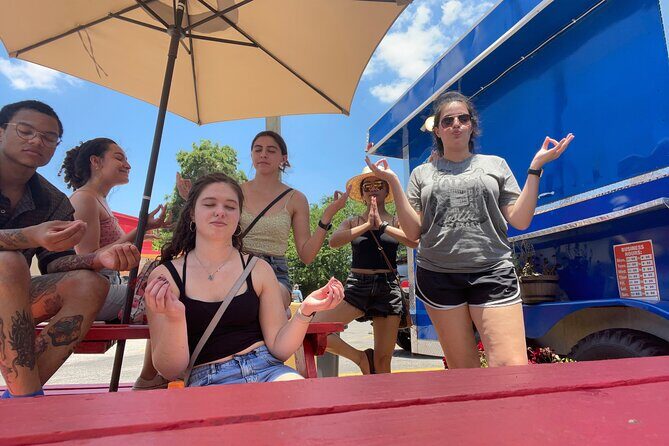
- Bonus challenges and photo missions: keep it playful, not just puzzle-solving
Starting at Bard Coffee: get your bearings fast

Your hunt begins where locals actually seem to start their day: Bard Coffee at 185 Middle St, Portland, ME 04101. You’ll also finish back at the same meeting point, which is handy when you’re managing kids, timing, or just trying to avoid the last-minute scramble.
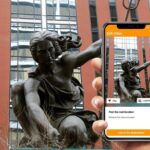
The big practical win is how quickly you can begin. You don’t need to print anything, and you don’t need to study a paper map. Instead, you’ll get your digital quest and then follow the game’s directions to each checkpoint. That keeps the experience fluid, especially if you’re in a mixed group with different walking speeds.
One small thing that matters a lot: this is remotely hosted. So before you even set foot outside, I’d do a quick tech check—GPS works, data works, and you can send a photo message. Once you’re in puzzle mode, you don’t want to be fighting the phone.
More Portland Maine City Tours



How the live remote host and hint system keep you moving
You won’t be left alone with a clue and a shrug. The game includes a live and interactive remote host, and you’ll communicate via text. If your team gets stuck, you can ask for a hint and keep going instead of burning time.
What that means for you on the ground is simple: you’re not just completing tasks, you’re getting coached through them. It can turn an awkward puzzle moment into a quick reset and a laugh, especially for kids or anyone who isn’t confident with scavenger-hunt logic.
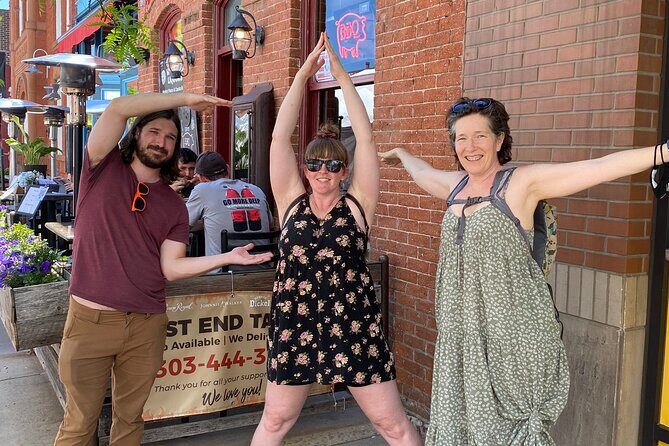
You also get a built-in way to prove progress. The game has you text photos to your remote host, who can cheer you on and assist as you play. That turns the hunt into something more social than a solo self-guided app experience.
Five Portland checkpoints that each feel like a different mini-world

This hunt threads through recognizable Portland stops, but it does it in a way that makes each location feel like its own round of the game. You’ll bounce between shops and street-level outdoor scenery. Here’s what each checkpoint is like, and what to watch for.
Abacus Gallery: start the hunt with an art-and-design vibe
Abacus Gallery is a strong first stop because it helps you transition from meeting-point energy into clue-solving mode. It’s a place where you can slow down just enough to read, observe, and figure things out as a team.
For the puzzle part, I’d treat this as your warm-up. Early in the game, teams often move too quickly and miss something small. At this stage, you can use the phone’s GPS to confirm you’re in the right spot, then switch your team mindset to careful noticing.
If you’re traveling with kids, the start at a gallery-style location can help them feel like they’re contributing right away—use your team’s strengths. One person watches for details, another works the phone, and someone else keeps time.
Old Port Candy: a fun shop stop that encourages real-world interaction
Old Port Candy adds a playful, easy-to-enter flavor to the hunt. This is the kind of checkpoint where the game’s challenges feel less like schoolwork and more like, what are we supposed to find, and can we do it together?
A useful reality-check from past experiences: some shop staff may not know they’re part of the hunt until people come in asking. The game is designed so you can still play, but if you need help from someone in a store, keep your tone friendly and assume they’re juggling normal customers.
Even if you’re not planning to buy anything, this is where you can take a quick break, refuel, and reset before you head toward the more open-air parts of the route.
More Scavenger Hunts & Escape Rooms in Portland





Coast Guard Beach: where the game shifts from shop puzzles to outdoor energy
Once you hit Coast Guard Beach, the hunt stops feeling like it’s all about indoor reading and starts leaning into open space and movement. Outdoor checkpoints change the game rhythm. Wind, distance between buildings, and visual landmarks all matter.
For your team, this is also where time discipline becomes important. You’re still solving clues, but you’re also spending real minutes walking, positioning, and regrouping. If your team tends to wander, set a quick ground rule before you leave the beach area: regroup at a specific spot, then solve.
I also recommend taking a moment to enjoy what you’re actually standing near. Even in a game, the point is to see the city. Coastline-style locations often do that best—without turning the outing into a long lecture.
Treehouse Toys: a checkpoint that feels built for families
Treehouse Toys is a smart mid-to-late-game stop because it naturally pulls in families. This checkpoint tends to make teams slower—in a good way—because people are curious, lingering, and asking questions.
If you’re traveling with a stroller group, this is the kind of place where you can take advantage of the game’s pace. The hunt includes a mix of indoor and outdoor moments, which helps you avoid the burnout of only walking.
If your group includes younger kids, let them lead one task. You’ll be surprised how often the phone clue is solved faster when one person is assigned the job of noticing everything they can see.
Simply Scandinavian: a final shop checkpoint with a calmer feel
Simply Scandinavian gives the hunt a slightly different tone. By now, you’ve had multiple checkpoints and you know the game format. That makes this part feel more like a finishing phase: confirm details, answer what the phone asks for, and keep your team together.
I like end-stage shop stops because they’re easier to manage for time. You can step inside, solve, and move on without the same navigation pressure you get outdoors. It’s also a good moment to do a quick team check: have we solved everything we were supposed to, and are we ready to head back to the meeting point?
Portland logistics: walking vs driving and why parking can derail plans

One issue that shows up in real-world use is distance. The hunt isn’t limited to a few tight blocks. It can take you across town enough that walking feels like real walking, not a quick loop.
If you’re trying to handle it with a car, downtown parking is a major challenge. Even if the hunt allows you to drive between checkpoints, you still have to park, get out, and reconnect with the phone’s route. That eats time. And in a game that’s about two hours, time is your biggest constraint.
My practical advice: if you can, plan for mostly walking. If your group includes anyone with limited mobility, use that constraint to guide your pacing early. Don’t let the first half of the hunt be fast and chaotic, because the second half will feel longer if you’re already tired.
Also, remember you’re in a city neighborhood environment. You might encounter people experiencing homelessness or drug use in public spaces, including around doorways and steps near homes. That’s not the game’s theme—it’s just part of the urban mix. If that makes you uncomfortable, trust your instincts and adjust your route habits: walk with your group, stay aware, and don’t engage with anything that feels unsafe.
Why the indoor/outdoor alternation is more than a gimmick
This hunt alternates between indoor and outdoor locations, and it matters. Indoors gives you a chance to reset your brain—read, scan, confirm details. Outdoors keeps you moving and gives you visual anchors to help the phone clue system feel less abstract.
The game also includes bonus challenges and wacky tasks, so it’s not just answering questions. You’ll be solving clues and doing small prompts that push you out of your usual routine. That’s where the group laughs start to happen, especially if you’re on teams that like a bit of friendly chaos.
There’s also a built-in social element: the game encourages you to interact with locals to solve clues. I like this because it changes the hunt from staring at your screen to actually noticing people and places around you. Just keep it polite. If someone isn’t receptive, move on and use your hint option.
Who this scavenger hunt suits best
This is the kind of activity that works well when you want more than sightseeing. It’s a team-building style game, but it doesn’t feel like a corporate retreat exercise.
It’s a good fit for:
- Families who want movement plus frequent stopping points
- Friends who like light competition and photo challenges
- Corporate groups and student teams looking for a structured outing
- Visitors who want Portland context without doing another “look at this building” walk
If your group hates walking long distances, or if your group is very sensitive to uncomfortable street encounters, you might want to think carefully about whether this route style fits your comfort level.
Value: what you get for about two hours

You’re paying for a specific kind of experience: a phone scavenger hunt with remote live support. That means you’re not just following a script—you can request hints, send photos, and get assistance in the moment.
I think the strongest value is the combination of:
- No paper-map friction
- A remote host who helps you avoid dead ends
- A mix of shops and outdoor points of interest
- A timed outing format that keeps everyone energized instead of drifting
Also, note the maximum group size is 30 travelers. Smaller groups tend to feel easier to coordinate, especially when you’re splitting attention between phone clues and team decisions.
Should you book Portland Maine Madness Scavenger Hunt?
Book it if you want an active, lighthearted way to see Portland that doesn’t require transit planning or a guide walking backward from clue to clue. The phone-based format is convenient, and the live remote hints are a big help when your team gets stuck.
I’d think twice before booking if your group can’t handle spread-out walking, or if you’re expecting everything to stay within a few easy blocks. Downtown parking can be rough, and the real streets you’ll pass through are part of the experience—so you’ll want to go in with situational awareness.
If you’re choosing between this and a standard walking tour, pick this one when your group enjoys challenges, photos, and problem-solving. Pick something else when you mainly want quiet, low-effort sightseeing.
FAQ
Is this scavenger hunt phone-based or does it use paper maps?
It’s played using your phone. You don’t need paper maps, and the game is designed to be followed straight from your device.
Will I have help if we get stuck on a clue?
Yes. A live remote guide can give you a hint if your team is stuck.
Do you need a working phone number for the hunt?
Yes. You must provide a correct, working domestic phone number in your reservation so the remotely hosted hunt can work.
What phone setup does my team need?
Each team should bring at least one fully charged smart phone with GPS and the ability to send and receive data, photos, videos, and text messages.
Where do we start and where do we end?
You start at Bard Coffee, 185 Middle St, Portland, ME 04101, and the hunt ends back at the same meeting point.
Is it wheelchair and stroller accessible?
The game is wheelchair and stroller accessible.
Is it free to cancel?
Yes, you can cancel for a full refund with free cancellation up to 24 hours in advance.
You Might Also Enjoy


More Tour Reviews in Portland
- The Real Portland Tour: City and 3 Lighthouses Historical Tour with a Real Local
★ 5.0 · 1,448 reviews