REVIEW · PORTLAND
Portland, Maine: Black History Guided Walking Tour
Book on Viator →Operated by Portland by the Foot · Bookable on Viator
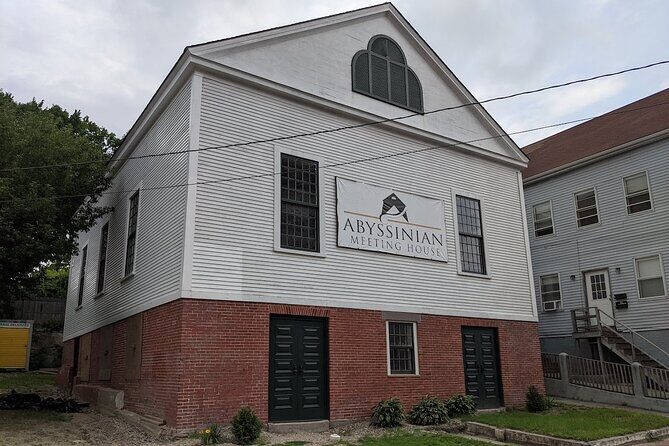
When you think you know Portland, it surprises you. This 2-hour Black history walking tour with guide Dugan turns the city’s streets into a living timeline, from pre-slavery Maine to civil rights-era leaders. I love that it’s a small-group walk (max 15) with lots of room for questions, and that it includes a donation toward restoring the Abyssinian Meeting House, America’s third-oldest standing Black church.
The route is built around real places—think Abyssinian Meeting House, Green Memorial Church, and the Portland Observatory—so the stories feel grounded, not generic. You’ll also get practical context about how Black Mainers shaped politics, maritime work, religious life, and community institutions along the way.
One heads-up: Portland is hilly, and this tour includes uphill walking and a staircase of 17 steps, so you’ll want to plan for some effort.
In This Review
- Key highlights you can plan around
- Why this walk makes Portland feel bigger (and more accurate)
- The price is fair for what you get
- Where you start and how the route will feel
- Stop 1: Downtown’s stories of power, passing, and resistance
- Stop 2: Commercial Street and the waterfront’s seat-at-the-table story
- Stop 3: Old Port and the East End where abolition meets civil rights
- What makes Dugan’s guiding work in real life
- Who this tour is for, and who should think twice
- Pair it with the rest of your Portland day
- Should you book Portland’s Black History Guided Walking Tour?
- FAQ
- How long is the tour?
- What’s the group size limit?
- Who is the guide?
- Where does the tour start?
- Where does the tour end?
- Is the tour offered in English?
- Is admission included for the stops?
- Is a donation included?
- Are service animals allowed?
- Are pets allowed?
Key highlights you can plan around
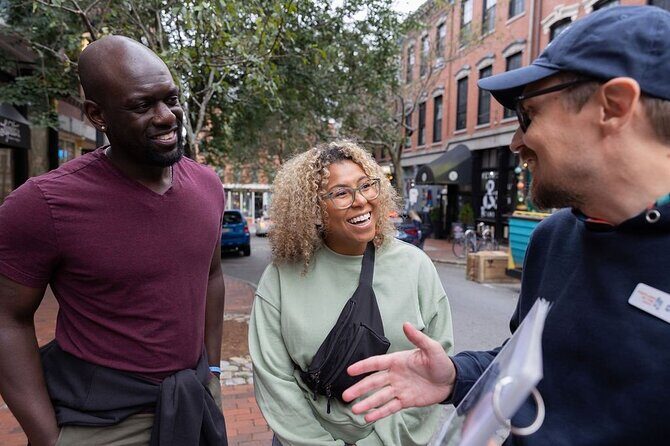
- Dugan leads the walk with strong storytelling and time for questions in a limited group of 15
- Landmarks you can point to: Abyssinian Meeting House, Green Memorial Church, Portland Observatory, and more
- Underground Railroad and abolition-era choices, including the risk of federal prosecution for helping freedom seekers
- Waterfront and maritime influence, from labor to political power in Portland’s age of sail
- Passing, Catholic Maine, and international activism, including a 19th-century figure hiding in plain sight
- A donation component supports the restoration of Abyssinian Meeting House
Why this walk makes Portland feel bigger (and more accurate)
A good walking tour does two things. It shows you what’s physically there, and it fixes what history books often skip. This one does both by focusing on a historically-Black section of Portland’s East End and using prominent landmarks to anchor the stories.
I like that the tour doesn’t treat Black history as one separate chapter. It connects it to mainstream civic life—elections, labor, religious leadership, law, and community-building—so you come away with a Portland that makes sense, not a Portland that feels curated and incomplete.
More Walking Tours & Audio Guides in Portland


The price is fair for what you get
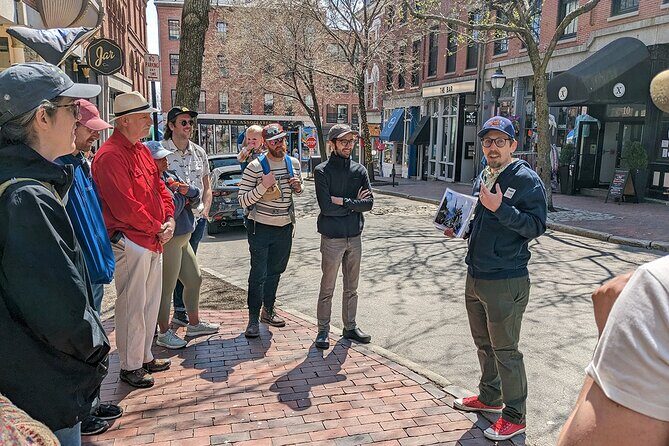
It costs $54 per person for about 2 hours of fully narrated guiding, and the group stays small at up to 15 people. That matters because you’re not crammed into a big crowd where the guide can’t slow down for questions.
You also get a donation toward restoring Abyssinian Meeting House included in the tour, plus a 10% discount offer for future water tours with Portland Paddle (information comes at confirmation). If you’re already planning on spending time in Portland’s harbor area, that add-on can soften the cost.
Where you start and how the route will feel
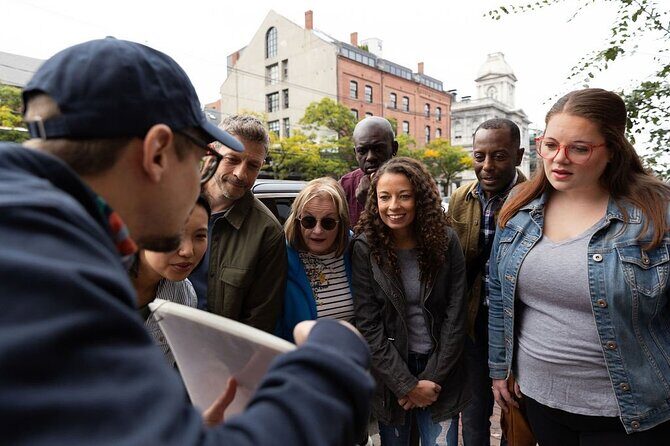
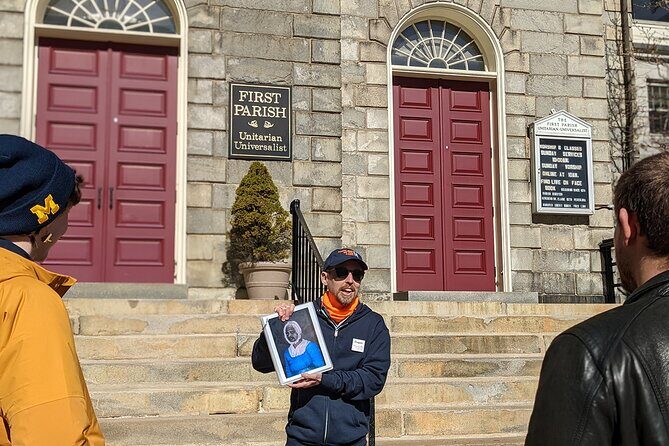
Meet at First Parish in Portland, Unitarian Universalist, 425 Congress St. The tour ends at Eastern Cemetery, 224 Congress St. From there, it’s about a half-mile (10-minute walk) back to where you started.
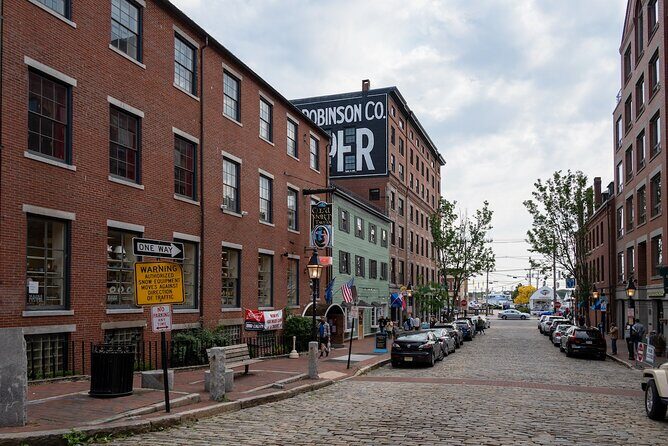
Be ready for uneven sidewalks and real Portland hills. Expect uphill stretches and that staircase of 17 steps. If you’re visiting in colder months, the advice you’ll hear again and again is simple: layer up so you can stay focused while you walk.
Stop 1: Downtown’s stories of power, passing, and resistance
The Downtown segment runs about 50 minutes, with guide Dugan leading you between key locations tied to Black Mainers and their achievements. The tone here is big-picture: resisting indignity, finding power, and moving the city and state closer to ideals of freedom and equality.
What I find especially useful is how the Downtown portion sets up the themes you’ll keep seeing later: community institutions, legal fights, and social strategies. You’ll learn hidden Black history that predates slavery in Maine, which helps you understand that Portland’s story didn’t start when people were forced into bondage.
You’ll also hear about a largely unknown but well-connected international activist from the 19th century who was hiding in plain sight. Then the tour turns to the complicated history of racial passing at the highest levels in 19th-century Catholic Maine. That kind of detail matters because it explains how race and identity were negotiated socially and politically—not only how they were policed.
Potential drawback at this stop: since it’s a longer segment, you’ll want to pace yourself. If you start the day already tired, this first chunk can feel like a sprint compared to the shorter waterfront stop later.
Stop 2: Commercial Street and the waterfront’s seat-at-the-table story
Commercial Street is shorter—about 20 minutes—but it packs a lot in. Dugan guides you to where Black leaders and laborers shaped Portland’s waterfront and earned a seat at the table when odds were stacked against them.
This is where Portland’s maritime identity gets reframed. Instead of treating shipping and shipbuilding as a background scene, the tour brings forward the Black skill and labor that helped drive the economy.
You’ll also hear several overlapping threads here:
- Architecture and the ways antebellum Black Portland built political power in a time when many basic rights were denied
- A WWII-era Black social scene in Portland—how community networks and public life changed over time
- A notable story about a Black journalist who decided to leave the US behind and seek self-determination in a newly-founded African nation
If you like history that connects to work, this stop tends to land well. It shows that influence wasn’t only about speeches—it was also about labor, knowledge, and being present in the economic engine of the city.
More Portland Maine City Tours




Stop 3: Old Port and the East End where abolition meets civil rights
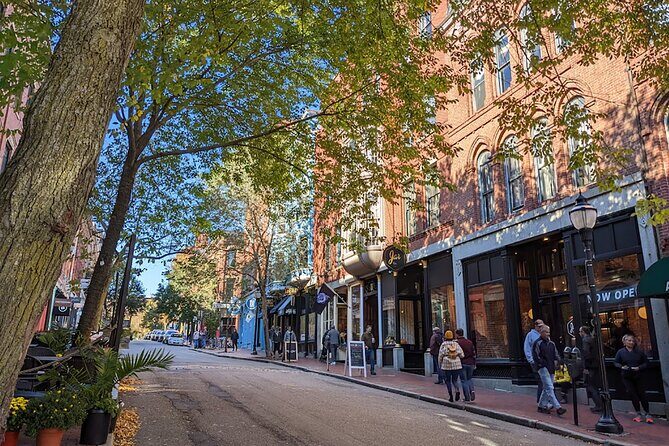
Old Port is another 50-minute segment, focused on a historically-Black section along the eastern end of the waterfront. Here, the tour leans into community scale—how small groups formed institutions, pushed for rights, and helped shape the direction of Maine.
One reason I like this portion is that it’s not only about famous names. It also highlights the texture of everyday action: people founding Maine communities, working maritime industries, crossing color boundaries, and expanding rights over time.
You’ll hear about an enterprising young Black man who forged his own destiny in the legal field despite people trying to hold him back. Then the tour shifts to the Underground Railroad—specifically the brave people who aided freedom seekers from the South while risking federal prosecution. That’s one of those moments where the story feels sharp, because it reminds you how dangerous “helping” could be.
The tour also calls attention to a tight-knit community working together to improve lives for themselves and others. And because the Old Port segment includes civil rights-era material, the narrative connects earlier abolition work to leaders whose impacts are still felt today.
One more stand-out story comes at you from a different angle: a Black minister who convened an expatriate Black community to rewrite the US Constitution. Even without getting lost in names and dates, the message lands: people in Portland were thinking structurally about America.
What makes Dugan’s guiding work in real life
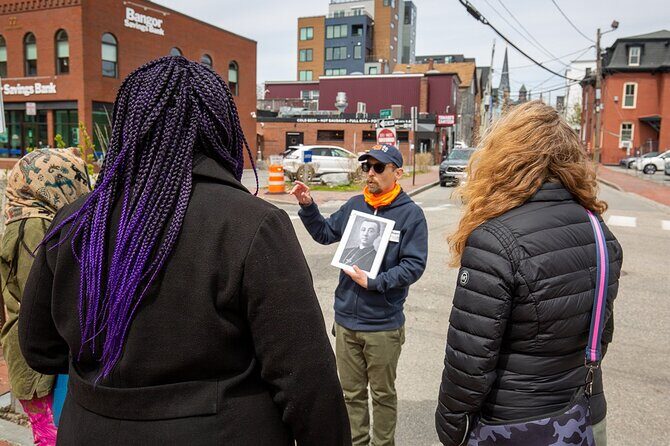
The biggest reason this tour earns such strong ratings is how the guide handles the material. Dugan presents the information clearly, answers questions, and keeps the pacing moving without turning it into a rushed lecture.
A detail I think you’ll appreciate: visuals. You’ll see the guide use pictures along the way to help you recognize people and places as the story builds. That’s a smart move for a walking tour because it reduces the “wait, what was that face again?” problem.
The other practical skill is responsiveness. If you bring curiosity—questions about specific landmarks, family surnames, churches, maritime work—you’ll get a more personalized experience. This matters on history tours, because the route can only cover so many stops, and good guiding helps you connect the dots.
Who this tour is for, and who should think twice
This is a great pick if you want:
- City history that includes Black Mainers as central actors, not background context
- A walk that links local places to national themes like abolition, passing, labor, and civil rights
- A small-group format where you can ask questions and get direct answers
It may be less ideal if you:
- Have trouble with walking uphill or managing steps (the 17-step staircase is real)
- Need long stretches of flat, smooth ground
- Prefer tours that minimize time on brick/cobblestone-style sidewalks (Portland sidewalks can be uneven)
Pair it with the rest of your Portland day
This tour ends in the Old Port area edge near Eastern Cemetery, which can make it easy to keep exploring without a long transit shuffle. If your itinerary includes other local history walks, you’ll likely find the themes connect—maritime work, civic leadership, and the evolution of civil rights into the present.
And if you want to extend the maritime angle, that included 10% water-tour discount for Portland Paddle can be a smart follow-up. A harbor walk by day gives you stories on land; time on the water helps you see why waterfront labor shaped so much power.
Should you book Portland’s Black History Guided Walking Tour?
Yes—if you’re the type who wants Portland to feel honest. For $54, you’re getting a tightly focused 2-hour guided walk, small-group attention, and a donation toward restoring Abyssinian Meeting House. The route is built around recognizable landmarks, with stories that range from pre-slavery Maine to Underground Railroad risk to civil rights-era impact.
Book it especially if you want something more than facts-on-a-signs. This walk turns streets into explanations, and it gives you names, institutions, and the “how did people do that?” context that makes history stick.
FAQ
How long is the tour?
The tour is about 2 hours.
What’s the group size limit?
The tour has a maximum of 15 travelers.
Who is the guide?
The tour is led by Dugan.
Where does the tour start?
It starts at First Parish in Portland, Unitarian Universalist, 425 Congress St, Portland, ME 04101.
Where does the tour end?
It ends at Eastern Cemetery, 224 Congress St, Portland, ME 04101.
Is the tour offered in English?
Yes, it is offered in English.
Is admission included for the stops?
The tour notes free admission for the listed stops.
Is a donation included?
Yes. A donation toward restoring the Abyssinian Meeting House is included.
Are service animals allowed?
Yes, service animals are allowed.
Are pets allowed?
Pets are not allowed on tours unless medically required.
You Might Also Enjoy



More Tour Reviews in Portland
- The Real Portland Tour: City and 3 Lighthouses Historical Tour with a Real Local
★ 5.0 · 1,448 reviews