REVIEW · PORTLAND
Portland Indoor Skydiving Experience with 2 Flights & Personalized Certificate
Book on Viator →Operated by iFLY Indoor Skydiving · Bookable on Viator
Flying in a wind tunnel is surprisingly real.
At iFLY Portland, you suit up, learn body position, and then go up twice for short, guided flights inside a wall-to-wall air column. It’s a clean, controlled way to feel that free-fall vibe without a plane jump, and you end with a personalized flight certificate to prove you did it.
I love the setup: you get one-on-one instruction with a certified flight instructor the whole time you’re in the chamber. I also love the pacing—two separate tunnel flights (60 seconds each) instead of one quick taste. One consideration: that first rush of wind can hit your face hard, so those opening seconds can feel intense until you find a comfortable breathing rhythm.
In This Review
- Key things to know before you fly
- Portland Indoor Skydiving at iFLY: what you’re really buying for $99
- Where iFLY Portland is, and how the 75 minutes typically feels
- How the vertical wind tunnel flight works (and why it feels stable)
- The training session: your body-position crash course
- Your two tunnel flights: what happens in the chamber
- Flight 1: learning to float without panicking
- Flight 2: a chance to feel more stable
- Meet the instructors: the real heart of the experience
- What to wear and bring so your flight doesn’t get annoying
- Who should book this indoor flight, and who should skip it
- Price and value: why $99 feels fair here
- Timing tips so you don’t feel rushed
- If you like this, your next step for indoor flight skills
- Should you book iFLY Portland indoor skydiving?
- FAQ
- Where is iFLY Indoor Skydiving in Portland?
- How long does the Portland indoor flight experience take?
- How many flights do I get?
- Do I need any skydiving or flight experience?
- How does the wind tunnel work?
- How safe is it and who helps you in the chamber?
- What should I wear, and can I wear glasses?
- What is the minimum age, and do minors need a waiver?
- Are there weight or medical restrictions?
- Can I cancel if my plans change?
Key things to know before you fly
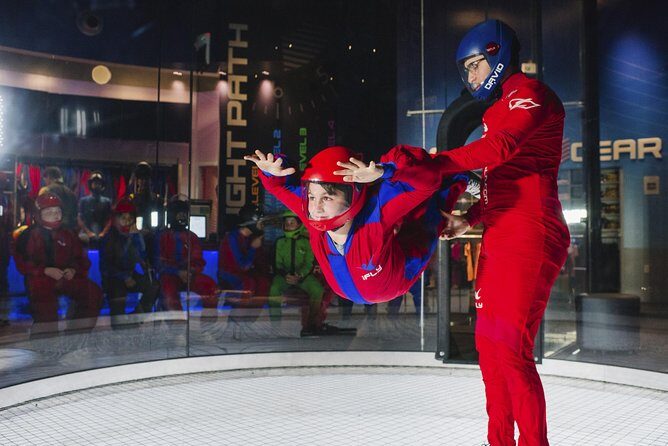
- Two guided flights: you’ll fly for 60 seconds twice with the instructor right there.
- Wall-to-wall airflow: the chamber’s steady column of air helps you stay “floating,” not falling.
- Fast, structured training: you practice body position before your first run.
- Wind speed jumps fast: the tunnel can reach roughly 130–175 mph during your session.
- Small-session feel: groups can be up to six flying at once, and the overall group size per session is capped.
- Not for every body: certain medical conditions, pregnancy, and weight limits apply.
Portland Indoor Skydiving at iFLY: what you’re really buying for $99
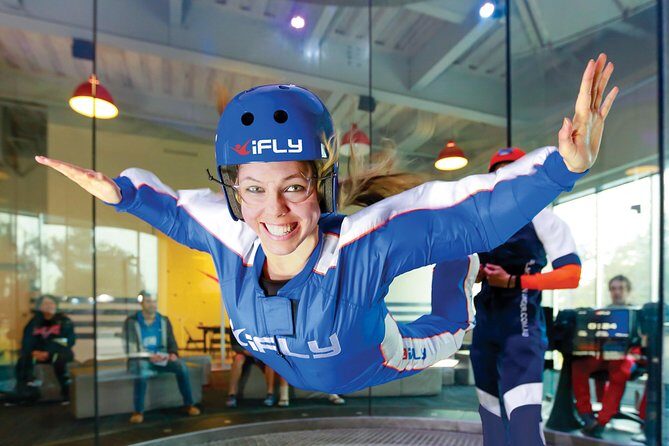
For $99 per person, you’re not paying for a long day at a theme park. You’re paying for a focused flight lesson plus two actual flights inside a powerful indoor vertical wind tunnel. That value shows up in the structure: training first, then two short flights with hands-on coaching.
You also get something people often underestimate—the confirmation that you truly flew. The personalized certificate isn’t just a souvenir. It’s a neat way to mark the moment, especially if you’re bringing kids, grandkids, or a friend who loves collecting proof of experiences.
The other value play here is safety through coaching. You’re not left to “figure it out.” The instructor is with you continuously, and the tunnel operator manages the wind increase gradually. That matters because this is a sensory activity: loud fans, strong airflow, and a wind face in your first seconds.
More Art, Glass & Creative Experiences in Portland



Where iFLY Portland is, and how the 75 minutes typically feels
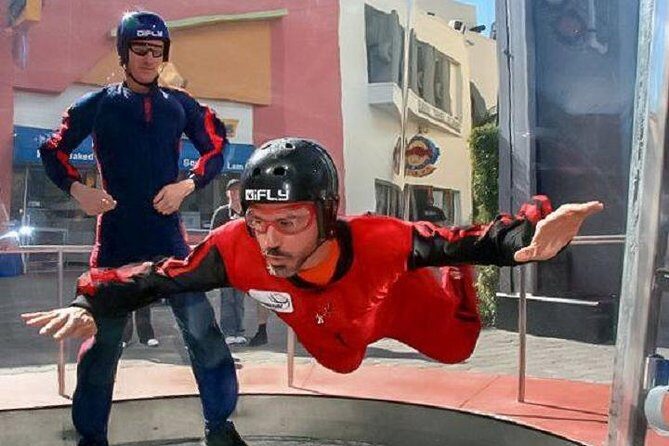
The meeting point is iFLY Indoor Skydiving – Portland, 10645 SW Greenburg Rd, Portland, OR 97223. Your session runs about 75 minutes from start to finish, so plan this as a real activity block, not a quick stop.
Inside, the experience is smooth because the flow is designed for short bursts. You arrive, gear up, train, then go into the chamber twice. While the total session time is longer than the actual flight time, that extra time is doing useful work: safety briefing, body-position instruction, and setup so your flights feel confident instead of chaotic.
If you’re going with friends or family who want to watch, you can typically do so from the observation area while you fly one-on-one. That’s helpful for groups with different comfort levels—some people love the action, others just want to cheer.
How the vertical wind tunnel flight works (and why it feels stable)
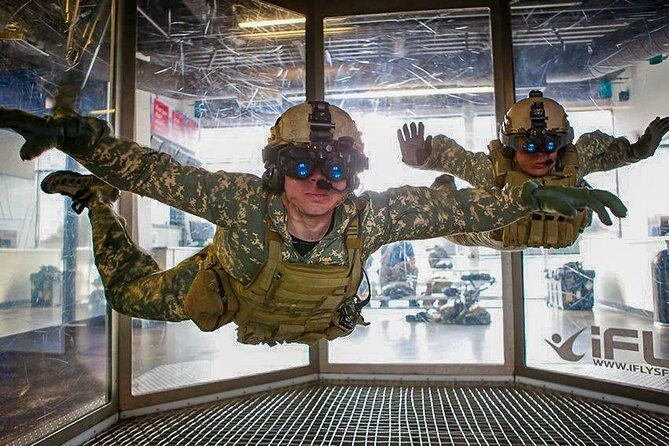
Here’s the simple mechanics lesson you actually need. The wind tunnel uses powerful fans to pull air in and push it through the chamber, creating a smooth vertical column of air. The airflow comes back down the sides, then re-enters to maintain a stable wall-to-wall cushion.
That design is the whole reason this works as an intro activity. Instead of you falling, the air supports you. As the wind ramps up, you and your instructor rise into flight. The airflow keeps you from drifting off the column, which is what makes the experience feel controlled.
The tunnel is described as 800 horsepower, and it can produce wind speeds in the range of 130 to 175 mph. That sounds extreme because it is—so expect your body to feel the push. The good part is that it’s consistent. You’re not guessing at timing or posture while the ground drops out from under you.
The training session: your body-position crash course
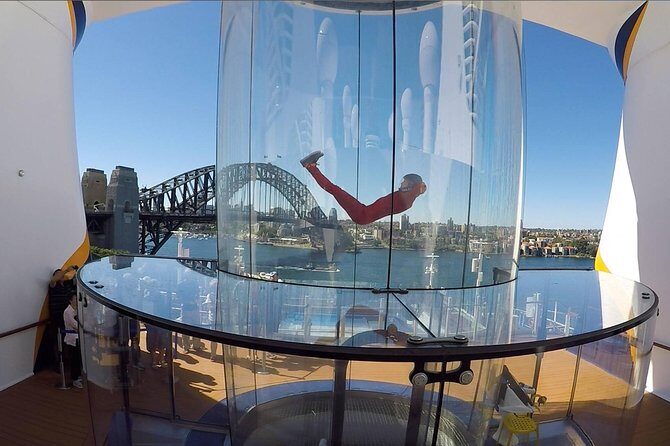
Before you fly, you’ll do a specialized training session with an expert flight instructor. This is required for first-time flyers and it’s not filler. The goal is to help you learn the correct posture so the tunnel does its job and you can stay stable.
You’ll go over safe positioning—how to hold your body so you can float cleanly. You’ll also get pre-flight practice. You might not need to “perform” perfectly during practice, but you do need to understand the basic cues so that when the wind increases, you respond the right way.
One practical tip: loosen up your shoulders and keep your movements deliberate once you’re in the chamber. In wind, small tension can feel bigger. Training helps because it gives you a script for what to do when you feel the airflow.
Your two tunnel flights: what happens in the chamber
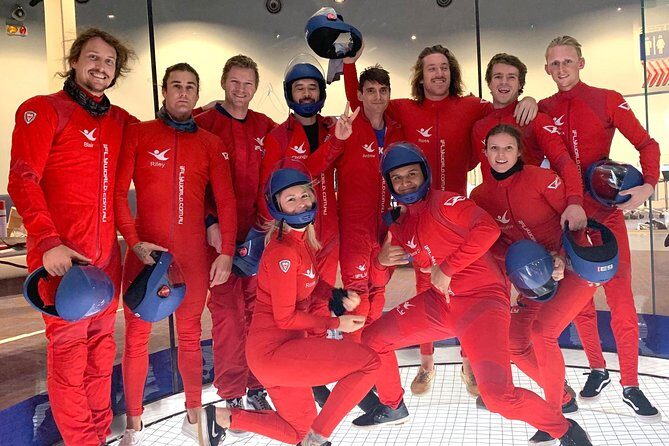
Your session includes two flights, and each flight lasts about 60 seconds. Even though it’s short, it’s long enough to go from first-timer surprise to real control.
- The Real Portland Tour: City and 3 Lighthouses Historical Tour with a Real Local
★ 5.0 · 1,448 reviews






Flight 1: learning to float without panicking
During your first run, the wind starts lower and then builds. Your instructor stays close and guides your position the whole time. This is the moment when most people realize that indoor flight is mostly about adjustment—especially your face and breathing.
That face wind can be intense at first. It’s not only loud; it’s direct. If you’ve ever stuck your head out a fast-moving car window, you get the idea. You breathe normally through your mouth or nose, and your brain figures out the rhythm quickly once you stop fighting the sensation.
Flight 2: a chance to feel more stable
On the second flight, you usually have an advantage: you’ve already learned what it feels like when the tunnel catches you and holds you up. That means you can focus more on body alignment and less on reacting to the first shock of air.
The tunnel atmosphere is enclosed, so you’re also dealing with visual distortion from the moving air and the chamber design. By the second flight, you’re less likely to overthink it because the “first contact” moment is already behind you.
If you want to do anything beyond basics—turns or advanced moves—that’s typically for experienced flyers only. For first-time flights, you’ll follow what your instructor cues. That’s not a limitation. It’s the reason your flight stays smooth.
Meet the instructors: the real heart of the experience
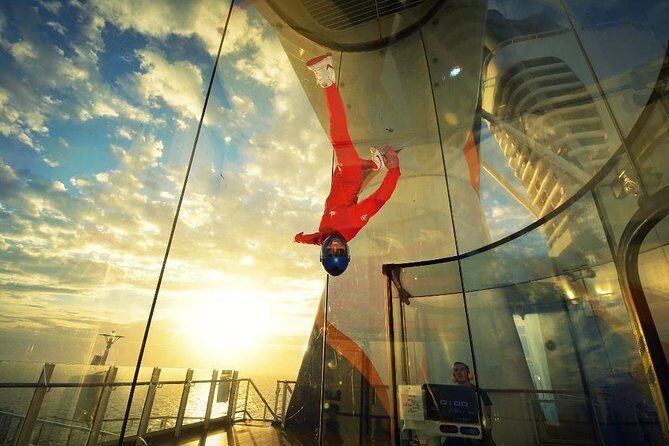
The chamber can be intense. What makes it work is the instructor quality and the calm coaching style.
In the feedback for this location, names like Alvin and Jordan come up as standout guides—both praised for being amazing, fun, and encouraging. That matches what you want from an indoor flight coach: someone who explains clearly, keeps you relaxed, and handles safety without killing the excitement.
I’d treat the instructor as the main part of the value equation. The tunnel is the machine, but the instructor is the translator. When you know what to do with your arms and body, the wind turns from scary to fun.
What to wear and bring so your flight doesn’t get annoying
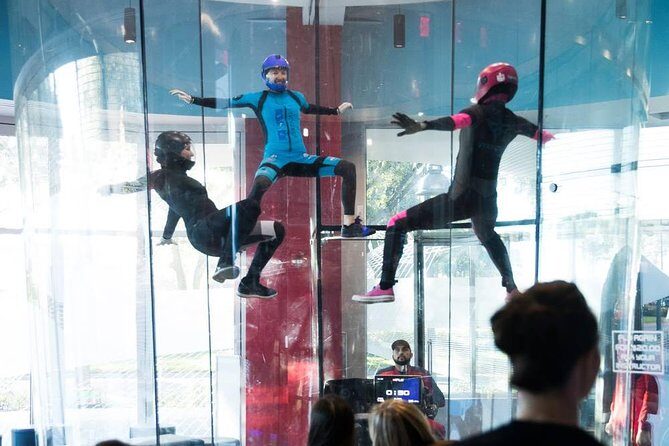
This activity is easiest when you show up ready to move.
- Wear well-fitting, lace-up sneakers or running shoes.
- Dress in comfortable clothes. The guidance leans toward pants and a shirt without a collar.
- If you have long hair, plan to braid and tie it low.
- Remove loose items that might flap or become loose—jewelry, watches, rings, hair accessories, and anything in pockets.
- Empty your pockets. Lockers are available, but it’s smart to leave valuables at home.
You’ll wear a flight suit on top of your clothes. If you wear glasses, you can use larger goggles that fit over them.
If you want the short version of this advice: wear something you can breathe in and move your arms in. Wind-tunnel flying is not fancy fashion. It’s practical body positioning.
Who should book this indoor flight, and who should skip it
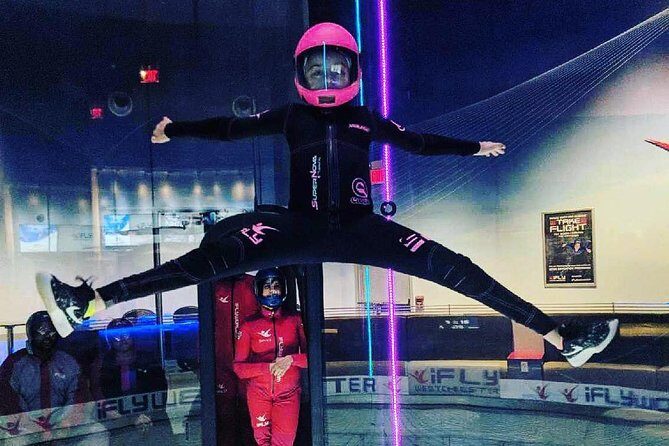
Indoor flight is famously approachable, and this Portland location is designed so that no experience is necessary. Most people can participate, and the minimum age is 3 years.
This is a great fit if you:
- Want the thrill of flight without jumping from a plane.
- Like learning physical skills with close coaching.
- Are planning something special for a birthday, holiday, or family milestone.
- Prefer an activity that lasts about an hour-plus, not half a day.
But it’s not for everyone. You won’t be able to fly if you have previous neck or back injuries, heart issues, shoulder dislocations, or if you’re pregnant, or wearing a hard cast. There are also weight restrictions: you must be under 300 lbs, and those between 260–300 lbs require extra evaluation at check-in and may have added limits.
If you have physical or cognitive challenges and want to fly anyway, you can request a certified instructor for All Abilities flyers by contacting the location.
My honest take: when a place clearly lists safety restrictions, it’s usually a good sign. This kind of activity works best when you and the staff agree on what’s safe for your body.
Price and value: why $99 feels fair here
Let’s break down what your money buys at iFLY Portland.
Included in the price:
- Two flights for one person
- Training and all required gear
- One-on-one instruction from a certified flight instructor
- A certificate of flight achievement
So you’re paying for instruction, equipment, and actual time in the chamber. The two 60-second flights might sound brief, but they’re meaningful because they’re separate runs with coaching. One flight helps you experience the sensation. Two flights help you build control.
It’s also priced for people who want a real activity, not just a spectator event. Even if you bring family to watch, the participant experience is hands-on and guided.
If you’re trying to go on a weekend, you’ll likely want to book ahead. Sessions are offered with a limited group size, and advance bookings can sell out.
Timing tips so you don’t feel rushed
Plan to arrive 10–15 minutes early. That buffer helps you check in, get into gear, and settle before your training starts. The session begins promptly after arrival.
Also, if you think you’ll need schedule changes, know you’ll need to handle it by contacting the location directly. That’s usually faster than trying to sort it out through a third party after the fact.
Within the chamber, follow your instructor’s cues immediately. Wind makes it harder to “figure it out later.” The fastest way to a fun flight is to listen early and commit to the posture.
If you like this, your next step for indoor flight skills
After two flights, you’ll likely understand what kind of control you want. Some people love staying with basic stable positioning. Others want to progress toward more movement once they’re experienced and cleared to do so.
The setup here makes progression logical: training first, then flights, then you can decide if you want to practice more control on a later visit. You’re not starting from zero again. You’ll remember what the wind feels like and how your body should respond.
Should you book iFLY Portland indoor skydiving?
I’d book this if you want a high-energy activity that’s short, guided, and built for first-timers. Two flights plus hands-on coaching is a strong value, and the instructor-led format is clearly what makes the experience work.
I’d skip it if any of the listed health or safety restrictions apply to you, if you’re over the allowed weight limits, or if you know you’re not comfortable with intense wind sensation on your face—because the first seconds can feel like a lot.
If you’re choosing between doing nothing and trying something brave but manageable, this is one of the better bets in Portland. You’ll leave with real flight time, solid coaching, and a certificate that makes the story easy to retell.
FAQ
Where is iFLY Indoor Skydiving in Portland?
The meeting point is iFLY Indoor Skydiving – Portland, 10645 SW Greenburg Rd, Portland, OR 97223, USA.
How long does the Portland indoor flight experience take?
It takes about 1 hour 15 minutes from start to finish, and the full experience is often described as about 75 minutes.
How many flights do I get?
Your session includes two flights for one person, with 60 seconds in the wind tunnel for each flight.
Do I need any skydiving or flight experience?
No experience is needed. First-time flyers must complete the training session before going into the tunnel.
How does the wind tunnel work?
A vertical wind tunnel moves a vertical column of air using fans that pull air through the flight chamber and then push it back down the sides. The air is compressed and sped up so you can safely float.
How safe is it and who helps you in the chamber?
Your flight instructor stays with you for the entire time you’re in the flight chamber and guides your positioning and safety.
What should I wear, and can I wear glasses?
Wear well-fitting lace-up sneakers or running shoes and comfortable clothes. You can use larger goggles that fit over glasses.
What is the minimum age, and do minors need a waiver?
The minimum age is 3 years. Children under 18 need a parent or guardian to sign their waiver.
Are there weight or medical restrictions?
Yes. You must be under 300 lbs. Flyers who weigh between 260 and 300 lbs require additional evaluation at check-in. Certain medical conditions (like neck or back injuries, heart issues, or shoulder dislocations), pregnancy, and wearing a hard cast also prevent flying.
Can I cancel if my plans change?
You can cancel for a full refund up to 24 hours before the experience start time. If you cancel within 24 hours of the start time, you won’t receive a refund.
You Might Also Enjoy


More Tour Reviews in Portland
- The Real Portland Tour: City and 3 Lighthouses Historical Tour with a Real Local
★ 5.0 · 1,448 reviews