REVIEW · PORTLAND
Food Carts of Portland Bike Tour: local flavors and stories
Book on Viator →Operated by Around Portland Tours · Bookable on Viator
Portland’s food carts taste better on a bike. This 3.5-hour outing mixes neighborhood riding with real cart-pod snacks and local guidance, including coffee and a sweet finish. I love that food is built into the price, so you can focus on eating and learning instead of budgeting every stop. I also love the small group size, which makes it feel more like a neighborhood hang than a production. One thing to consider: the ride calls for moderate physical fitness, so it’s not ideal if you get worn out quickly on rolling urban routes.
You start right where Portland’s cart culture is easiest to understand, then pedal through several of the city’s most famous food scenes, from the early classics to the places where the pod craze became a movement. If you like food with context, and you’re happy riding a bike between stops, this is a very Portland way to spend a morning.
In This Review
- Key Things to Know Before You Ride
- Portland Food Carts on Two Wheels: The Real Point of This Tour
- Getting Fitted at 833 SE Main St and Rolling Out Safely
- Ladd’s Addition: Coffee First and the Story-Driven Start
- Matt’s BBQ Tacos: Southern Comfort Meets Portland Form
- Mt. Tabor Park and Food Cart Pods With Backstories
- Hawthorne Boulevard: The Coffee Vehicle Stop and a Portland Mood
- CARTOPIA Food Carts: Where the Pod Craze Got Its Footing
- Food, Portions, and How the Price Actually Works
- Dietary Needs and Allergy Reality Check
- How Hard Is the Bike Ride, Really?
- Guides, Group Size, and What Makes the Tour Feel Personal
- A Few Smart Tips So Your Day Goes Smoothly
- Should You Book This Portland Food Carts Bike Tour?
- FAQ
- How long is the Food Carts of Portland Bike Tour?
- What does the $95 price include?
- What time does the tour start, and where do we meet?
- What level of physical fitness is needed?
- Can you accommodate dietary restrictions?
- Is the group size small?
- What language is the tour offered in?
Key Things to Know Before You Ride
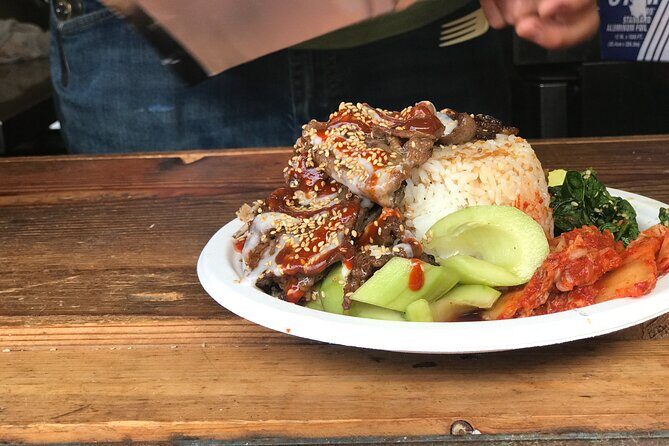
- Food is included at every stop, spanning breakfast-style bites, lunch foods, and a sweet treat near the end.
- Max group size is 12, which keeps conversations going and helps the guide manage traffic and stop-and-go pacing.
- Bikes, helmets, and bottled water are provided, so you can travel light and start moving fast.
- Dietary needs can be accommodated for vegetarians and pescatarians, but peanut and other nut allergies cannot be handled safely.
- Expect a guided neighborhood loop, with route stories that go beyond just what’s on the menu.
- Portland weather can change cart availability, so your route may adjust if carts close for safety.
Portland Food Carts on Two Wheels: The Real Point of This Tour
Food-cart tours done on foot can be slow. Car tours can feel disconnected. This one solves both problems by adding a bike ride in between tastings. You get a little movement, you see how neighborhoods actually connect, and the food becomes the punctuation between city moments.
The best part for me is that you’re not stuck choosing from a long menu at random. Instead, you’re sampling a sequence that covers multiple cravings: coffee early, savory hits in the middle, and a sweet finish to wrap things up. That structure matters because carts can be overwhelming if you arrive hungry and undecided.
Another big value point is that the tour is small. With a limit of 12 people, you spend more time talking with the guide and less time waiting for a group re-assembly at every pod. In practice, that usually means smoother timing and less stress when you’re ordering.
The only real tradeoff is the bike component. The activity says moderate physical fitness is best, and some routes include short climbs. If you’re comfortable riding a bike in traffic for brief stretches, you’ll likely be fine.
More Portland Food Cart & Foodie Tours

Getting Fitted at 833 SE Main St and Rolling Out Safely
Your day begins at 833 SE Main Street #121, where you fit for bikes before heading out. That initial setup is not just logistics—it saves you from spending the first part of the tour wobbling with an awkward seat or an unfamiliar bike.
You’ll also get a helmet, which keeps things practical. One theme that shows up again and again in rider feedback is that guides pay attention to safety and give clear instructions for how to handle intersections and traffic. If you’re newer to urban biking, that kind of coaching is the difference between feeling confident and feeling tense.
Bike details aren’t listed as a guarantee, but riders have noted that the bikes can be easy to use, including versions described as internal geared. That can help if you’re not into constant shifting while you’re learning the route.
Bring yourself in with a simple plan: water helps, eat a normal amount beforehand if you’re worried about going too full, and wear something you can handle for a few hours of movement. If you’re sensitive to heat, keep an eye on the weather that morning—Portland can change the day quickly.
Ladd’s Addition: Coffee First and the Story-Driven Start
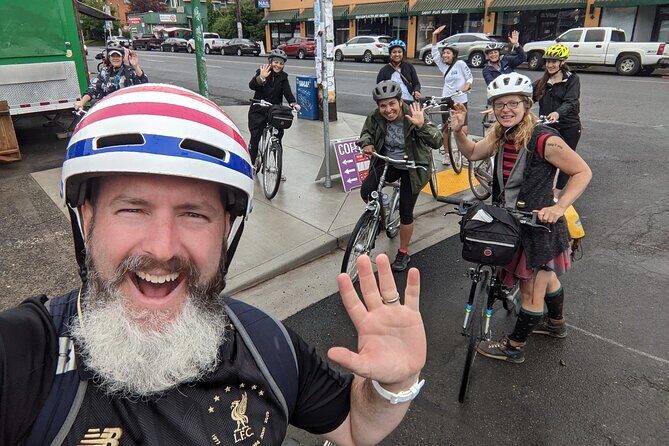
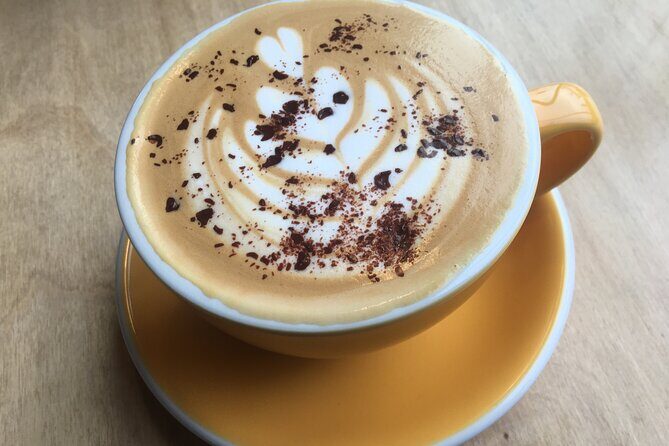
The first major food moment is in Ladd’s Addition, where you’ll start with coffee and route context. This is a smart start, because coffee does two jobs on a bike tour: it gets you ready for movement and it makes the first stop feel like a real local ritual.
Ladd’s Addition is also where the guide sets the tone for what you’re about to see. You learn how the cart scene connects to Portland’s neighborhoods and why certain pods became early icons. Even if you’re only half paying attention while you’re sipping, the guide’s framing helps the rest of the stops click.
Expect about 30 minutes here. That’s long enough to slow down, meet your pace, and understand how the day will work: where you’ll bike, what to look for when you arrive, and how the guide plans the order of tastings.
The practical downside? Coffee can be a lot if you already drank a full breakfast coffee at home. If you’re caffeine-light, plan for a beverage break rather than treating it like your second espresso of the day.
Matt’s BBQ Tacos: Southern Comfort Meets Portland Form
Next up is Matt’s BBQ Tacos, one of the city’s iconic cart identities. The idea here is fusion done in a way Portland seems to love: Southern-style barbecue turned into tacos. It’s the kind of menu that makes the cart scene feel like more than just quick bites.
This stop is about 30 minutes. In that window, you’re not just ordering—you’re learning how the cart format lets chefs experiment. When food is built for lines and quick service, flavors often get more inventive, more focused, and less stuck in the rules of a sit-down restaurant.
One helpful detail: the tour notes that for vegan and vegetarian visitors, the first stop selection can change to an equally awesome alternative. That matters because cart culture can be meat-heavy if you don’t plan ahead, and the tour is at least trying to solve that.
Possible drawback: if you don’t love smoky flavors or you’re picky about texture, barbecue-style fillings might not be your favorite. One rider did report that they found a taco option too fatty, while others were excited about other savory stops. So think of this as a key Portland flavor moment, but not guaranteed to match every palate.
Mt. Tabor Park and Food Cart Pods With Backstories
After Matt’s, you’ll ride toward Mt. Tabor Park and hit another food pod area. The tour frames this location with extra meaning: Mt. Tabor is tied to the city’s volcanic history, and it’s also connected to the idea of food cart pods changing over time.
At this stop, you’re sampling more cart snacks, and the guide adds playful details too—some stops include language-learning or just fun wordplay while you eat. That kind of “small lesson” is where a bike-and-food tour can become more than a food crawl. It gives you a sense of Portland as a place with personality, not just a list of places to check off.
This stop is also about 30 minutes, which gives you time to slow down in between bikes and settle into the pod atmosphere. If you’ve never been to a cart pod, this is a great intro. Pods can feel chaotic at first, but with a guide, you learn the flow fast.
The only consideration is comfort. One rider suggested that the climb near the start can feel tough for some groups and recommended an alternate route. If you know you’re sensitive to uphill segments, tell the guide early on and ask about adjustments. A good guide will try to keep the whole day pleasant.
More Bike & E-Bike Tours in Portland
Hawthorne Boulevard: The Coffee Vehicle Stop and a Portland Mood
Hawthorne Boulevard is where Portland’s street-food soul gets especially clear. Here you ride into a stretch known for creative storefronts, murals, and a long-running food identity. You’re not just tasting—you’re seeing the city as locals experience it.
The stop itself centers on a special coffee cart made in a unique vehicle. That detail is more than a cute photo moment. It’s a reminder of why Portland cart culture is different: carts aren’t just outlets for food; they’re part of the design language of the neighborhood.
Expect about 30 minutes at Hawthorne. Riders have highlighted how the tour often includes a mix of coffee and other beverage options, which helps if you want something beyond espresso.
Practical note: if you’re very heat-sensitive, you might want a plan for shade while you wait to order. Food-cart lines can be quick, but they still take time, and this tour moves in short blocks.
Also, don’t assume you’ll only hear food talk. Some guides include thoughtful discussion about Portland’s culture and politics alongside the tastings. That can add depth for people who want context, and it’s worth knowing up front if you prefer a lighter conversation style.
CARTOPIA Food Carts: Where the Pod Craze Got Its Footing
The last stop in your main loop is CARTOPIA FOOD CARTS (or another nearby pod option depending on conditions). The tour description notes that Cartopia was the first-ever permanent food cart pod in Portland, and that it’s a key landmark in the story of how the food-cart explosion started.
This is about a shorter visit—around 10 minutes—but it’s packed with meaning. You learn the bigger arc: why pods formed, why they lasted, and how they shaped what Portland people now expect from street food.
If you’re a foodie who likes to understand systems, this stop is valuable. It’s easy to think of carts as random vendors, but pods created a neighborhood-level experience, and that’s a big part of why Portland became known for this style of eating.
You might also hear more food-cart origin stories in this section, including references to past carts and pods. That’s part of the charm: Portland cart culture changes, and people remember the earlier versions.
Food, Portions, and How the Price Actually Works
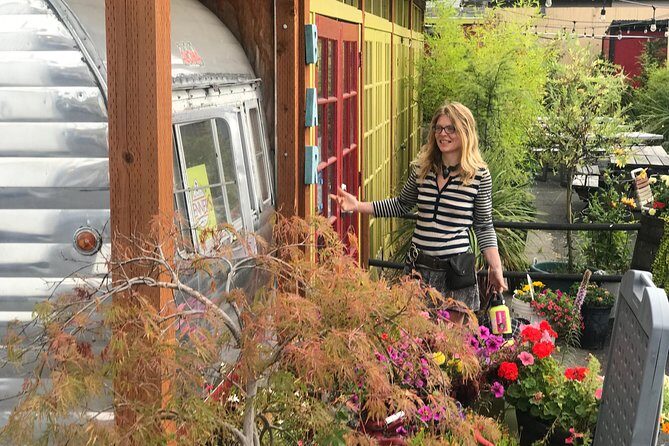
The price is $95 per person for about 3 hours 30 minutes, and food is included. That makes this tour feel different from many “pay for the ride, buy your own food” options.
Here’s what that included-food structure means for you:
- You don’t have to keep checking menus or prices at each cart.
- You can try multiple flavor styles in one outing (coffee, savory stops, sweets).
- You don’t end up spending half the budget on extras just to feel satisfied.
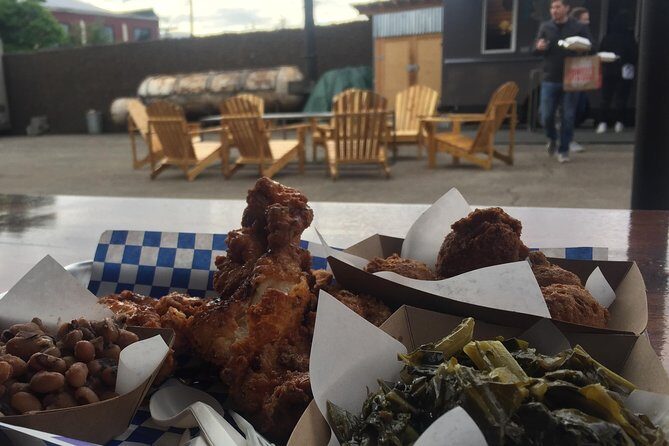
Portion size is not stated as a number, but riders describe the tastings as enough to feel like a real meal, not just a tiny bite. That’s the kind of value that matters. If you’re hungry, cart tours can otherwise turn into a group of $12 micro-snacks that leave you still looking for dinner.
One more value lever: bottled water is included, and helmets and bike use are included. Those items reduce friction, especially if you don’t want to rent gear or figure out where to store it.
So who’s it a great deal for? People who want a curated tour, multiple stops, and a guide to handle the routing. If you prefer to wander and choose your own food without structure, you might decide this format costs more than you’ll use. But if you love guided neighborhood pacing, it’s a strong value.
Dietary Needs and Allergy Reality Check
The tour says allergies and dietary requirements must be communicated at booking. Vegetarian and pescatarian needs can be accommodated, but changes may be made for gluten-free, dairy-free, or vegan needs. The tour also notes that peanut and other nut allergies cannot be safely accommodated.
That’s not a minor detail. Food carts often share prep space, and cross-contact can be hard to control. If you have a nut allergy, you should treat this tour as not workable for safety reasons.
If you’re gluten-free, dairy-free, or vegan, contact the provider during booking so the guide can adjust the order and first-stop choices when possible. The tour description strongly implies planning happens, not just a last-minute substitution.
How Hard Is the Bike Ride, Really?
“Moderate physical fitness” is the phrase you should hold onto. In real life, that usually means:
- You’re riding a standard city bike for a few hours, not just a quick spin around a block.
- You may face short climbs and rolling stretches.
- You need enough comfort with basic biking to stay relaxed at pod stops and intersections.
One rider noted the climb near the start felt like the most challenging section. If you haven’t ridden in Portland before, don’t assume it’s automatically easy. Still, multiple riders said the routes feel manageable, and guides provide instruction for people who haven’t biked in the city.
The smartest move: go into it as a morning activity that includes food breaks. If you treat it like a workout class, you’ll probably feel more tired than expected. If you treat it like guided movement with frequent tastings, it feels like a fun way to explore.
Guides, Group Size, and What Makes the Tour Feel Personal
Small group size is one of the most praised parts, with a max of 12 travelers. That size tends to keep things human. You hear stories, you ask questions, and you don’t feel like you’re always waiting for the whole line to move.
Guide energy is also repeatedly mentioned. Guides like Kellie, Kelly, Dustin, Sarah, Michael, and Dylan show up in rider accounts as friendly and engaged—people who share Portland context while you snack.
If you want light conversation, you’ll likely get it. If you want deeper context, some guides talk about race relations in Oregon and Portland, environmental consciousness, and the role of diversity in city life. That’s part of what makes the experience feel like Portland, not just food.
One more thing: guides are described as safety conscious, especially when helping riders navigate traffic and learn the route rhythm.
A Few Smart Tips So Your Day Goes Smoothly
- Come with normal hunger. If you’re already stuffed, coffee and tastings can feel like too much.
- If heat is in the forecast, plan for that possibility that a cart pod could be affected. Some guides have adapted routes when carts shut down for safety.
- Ask early about dietary needs and any concerns about climbs. The day is better when the guide can adjust from the start.
- Wear practical shoes. You’ll be standing in lines, moving between carts, and spending time waiting for food.
And yes, bring an appetite. This tour is designed so you can eat your way through multiple pods without needing to make every decision yourself.
Should You Book This Portland Food Carts Bike Tour?
Book it if you want a Portland morning that combines multiple tastings with real neighborhood context. You’ll likely enjoy it most if you like structure, don’t mind biking for a few hours, and want the guide to steer you to pod scenes you might miss on your own.
Skip it if biking makes you anxious or if you have a nut allergy that can’t be safely accommodated. Also skip it if you’d rather pick your own food and wander at your own pace with no story component.
If you’re on the fence, here’s the quick test: would you rather spend $95 on a guided food plan with bikes and tastings, or would you rather spend that money at carts you choose later? If the idea of being led from coffee to savory bites to dessert sounds like your kind of day, this is a strong choice.
FAQ
How long is the Food Carts of Portland Bike Tour?
It runs about 3 hours 30 minutes (approximately).
What does the $95 price include?
Food samples at every stop, bicycle use, helmet use, and bottled water are included in the price. Tips are not included.
What time does the tour start, and where do we meet?
It starts at 10:00 am. Meeting point is 833 SE Main St, Portland, OR 97214, and the tour ends back at the meeting point.
What level of physical fitness is needed?
The tour is listed as moderate physical fitness, so it’s best if you’re comfortable riding a bike for part of the morning and can handle some route effort.
Can you accommodate dietary restrictions?
Vegetarians and pescatarians can be accommodated. Changes may be made for gluten-free, dairy-free, or vegan needs. Peanut and other nut allergies cannot be safely accommodated, so you should not plan on this tour if that applies.
Is the group size small?
Yes. This tour has a maximum group size of 12 people.
What language is the tour offered in?
It is offered in English.
You Might Also Enjoy

More Tour Reviews in Portland
- The Real Portland Tour: City and 3 Lighthouses Historical Tour with a Real Local
★ 5.0 · 1,448 reviews