REVIEW · PORTLAND
The Hood-Columbia Loop: Timberline, Orchards, and Waterfalls
Book on Viator →Operated by Terran Travels · Bookable on Viator
Mount Hood in a single day sounds impossible. Somehow this loop makes it feel easy, with Timberline Lodge views, orchard stops, and multiple Columbia Gorge waterfalls. I like the small-group pace (up to 14) and the guide’s keep-it-moving style with real time at the big sights. One thing to plan for: it’s a full day with lots of roadside “watch closely” moments, so if you hate car time or quick stops, this may feel like a lot.
You’ll start in central Portland (523 NE 19th Ave) with pickup that’s confirmed the evening before. You get an air-conditioned vehicle, snacks and bottled water, and a PA system so the back row can still hear the guide. At $139 for about 8 hours, it can be a solid value if you want “greatest hits” without doing the driving yourself.
In This Review
- Key things that make this tour work
- Getting out of Portland: comfort, timing, and what you actually get
- Mount Hood and Timberline Lodge: the view payoff without the summit grind
- A quick photo break at Timberline and the “why this stop matters”
- Orchards around Mt. Hood: fruit, preserves, and a low-effort souvenir
- Draper Girls Country Farm
- Apple Valley Country Store
- Hood River lunch hour: windsurf culture plus brewery energy
- The Columbia River Gorge National Scenic Area: your guided shortcut through 85 miles of drama
- Rowena Crest: the kind of photo stop you don’t want to skip
- The gorge driving route: a Swiss Alps-inspired scenic highway with real road limits
- Multnomah Falls and the waterfall rhythm of the Gorge
- More than waterfalls: the Sandy River crossing and why the salmon story matters
- Price and logistics: is $139 a good deal for this loop?
- Who this tour is best for (and who should skip it)
- Final call: should you book the Hood-Columbia Loop?
- FAQ
- How long is the Hood-Columbia Loop tour?
- What’s the meeting point in Portland?
- Is pickup available from hotels outside the meeting point?
- What does the tour include and what doesn’t?
- What’s the group size?
- What should I do if the weather is bad?
Key things that make this tour work
- Small group up to 14: you’ll actually hear your guide and get help spotting what matters.
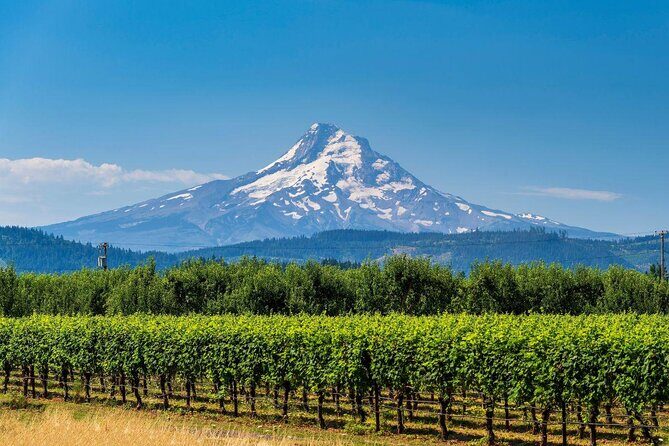
- Timberline Lodge time on Mt. Hood: views and a famous building, not just a parking-lot photo.
- Orchard store stops: fruit, preserves, and seasonal treats with a Mt. Hood photo backdrop.
- Columbia Gorge “waterfall core”: Multnomah Falls plus several quick roadside stops.
- Hood River lunch hour: enough time to eat and reset before the gorge drive.
- Built for comfort: air-conditioned vehicle and a PA system for the back seats.
Getting out of Portland: comfort, timing, and what you actually get
This is an all-day loop, about 8 hours, and it starts at 9:00am back at 523 NE 19th Ave, in Portland. If you’re staying elsewhere, pickup is flexible and they’ll confirm your pickup time and location the night before. The schedule is built around daylight and road access, which matters a lot in this region.
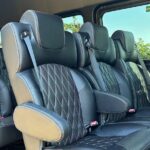
The vehicle is air-conditioned, and the tour includes snacks and bottled water. There’s also a PA system, which sounds like a small detail until you’re in a seat where you’d normally miss the commentary. This tour is capped at a maximum of 14 people, and in practice that usually means less chaos and easier spotting of viewpoints.
Practical tip: wear layers. Mt. Hood and the Gorge can feel like two different planets in one day—cooler up high, then warmer and windier near the river.
More Mt Hood Tours
Mount Hood and Timberline Lodge: the view payoff without the summit grind
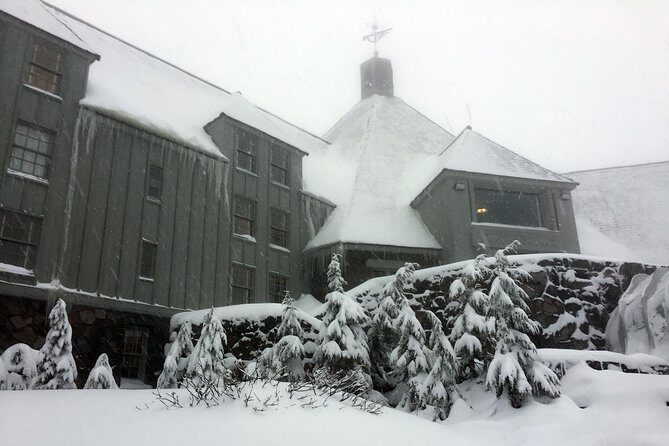
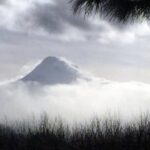
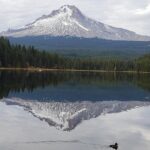
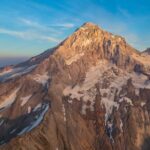
Mt. Hood is the big star here: the highest peak in Oregon and one of the Cascades’ most prominent stratovolcanoes. The tour’s approach is smart because you don’t need to climb to get the drama. Instead, you get time at Timberline Lodge, just below the Palmer Glacier area.
You’ll spend 1–2 hours up at Timberline Lodge on the mountain. Then there’s additional time focused on the lodge itself—about 30 minutes—so you can split your time between views, interpretive displays, and food/drink options (seasonal). Timberline Lodge is a National Historic Landmark and a particularly unique one: it’s also the only ski resort in the US that’s open every month of the year.
The lodge connection is more than bragging rights. It was a WPA project, and it was dedicated by Franklin Delano Roosevelt in 1937. That gives you a nice angle while you’re there: you’re not just looking at scenery, you’re standing in a building shaped by major US-era public works.
What to watch for: summer and winter change what you can do around the lodge (hiking in summer, snowplay in winter). Since the tour is designed around that seasonal reality, ask yourself when you go: do you want a long scenic sit, or do you want to move more?
A quick photo break at Timberline and the “why this stop matters”
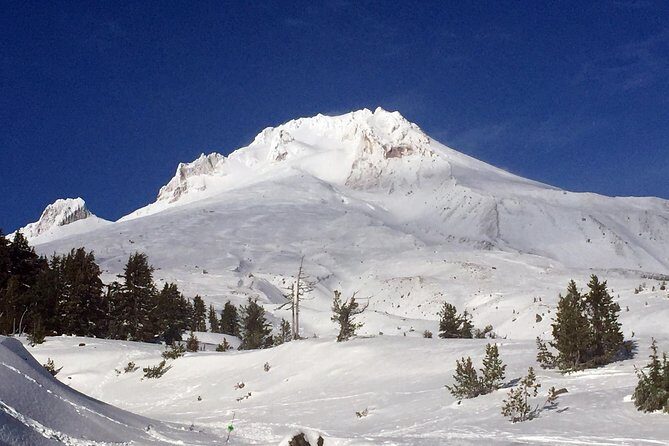
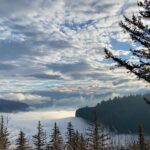
This is one of those rare stops where the timing is the product. When the weather’s decent, the lodge sits above timberline and the views can be genuinely stunning—visible on the skyline from parts of northern Oregon and southern Washington. When the weather’s rough, you’ll still get the value of being at the lodge itself, since it’s an indoor-and-outdoor vantage point.
Also, Timberline Lodge is a place where you can slow down without losing your day. The tour doesn’t just drop you off and shove you out. You’re given time to take in what’s around you, then shift gears back toward orchards and the gorge.
Small-group benefit you’ll feel: with fewer people, your guide can help everyone line up the right angles for photos and keep the group from drifting off in different directions.
Orchards around Mt. Hood: fruit, preserves, and a low-effort souvenir
Between Mt. Hood and the Columbia River area, you get two short stops at classic local stores. These aren’t just gift shops. They’re quick chances to taste the region’s flavor and grab small edible souvenirs that actually travel well.
Draper Girls Country Farm
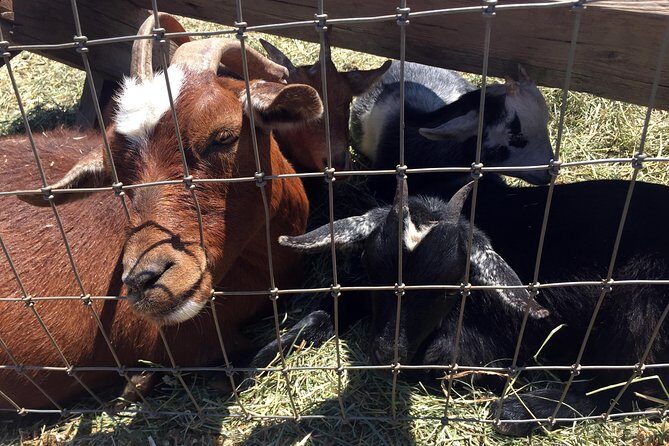
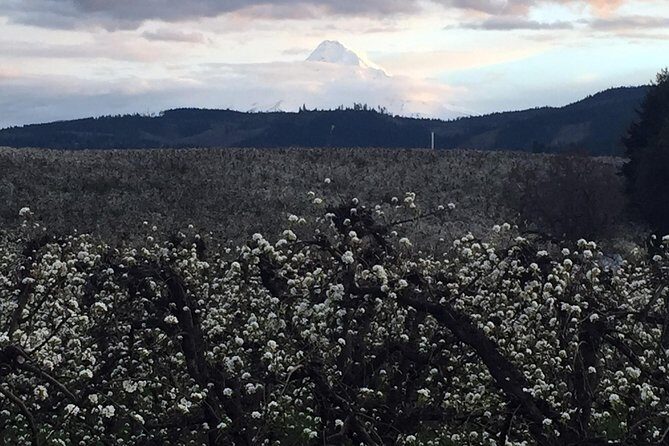
Depending on season, you’ll stop at Draper Girls Country Farm for about 20 minutes. This is where you can buy fresh fruit and preserves, and you might get the bonus of petting cats and goats (weather and season dependent). It’s also set up for Mount Hood photo shots, when conditions cooperate.
- The Real Portland Tour: City and 3 Lighthouses Historical Tour with a Real Local
★ 5.0 · 1,448 reviews
Apple Valley Country Store
Another 20 minutes at Apple Valley Country Store. This one leans into homey countryside treats: fruit and preserves, homemade pies, and huckleberry milkshakes (again, seasonal availability applies).
Here’s the key reason these stops feel worth the time: they break up the long drive with something hands-on. If you’re the type who wants a snack you’ll remember later, this is where you’ll get it. If you’re on a strict budget, you can still treat these as “look only” stops and just pick up one small item.
Practical tip: if you care about photos, keep your phone camera ready. The tour moves quickly, and Mt. Hood views are not something you can schedule.
Hood River lunch hour: windsurf culture plus brewery energy
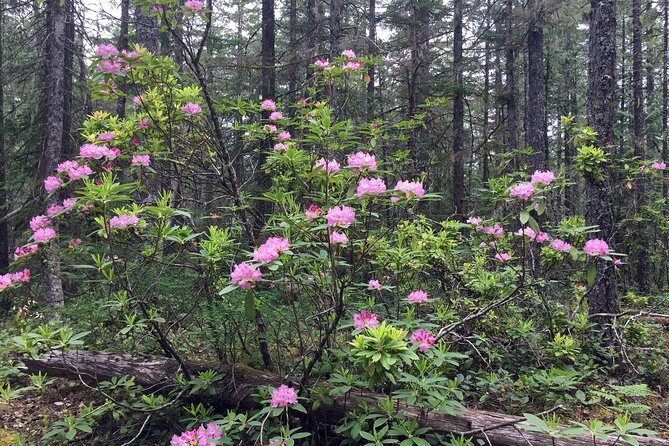
Your lunch hour happens in the Port of Hood River area. This is also the point where the geography shifts—away from mountain air and into the Columbia River wind pocket. Hood River is often called the windsurfing capital of the world, and that windswept identity shows up in the vibe.
The tour gives you about 1 hour here. That’s a real amount of time for lunch, not a “grab a muffin and run” slot. Hood River also has a lot of tasting rooms, galleries, boutique shops, and cafes. Even if you don’t go deep into shopping, it’s enough time to eat, walk a little, and reset before the gorge waterfalls.
Because lunch isn’t included, you’ll need to plan spending. The good news is the time buffer. If you want pie or a local drink, you can make it happen without needing to speed-run the stop.
The Columbia River Gorge National Scenic Area: your guided shortcut through 85 miles of drama
Once you’re in the Columbia Gorge National Scenic Area, you’re in one of the Pacific Northwest’s most visually varied stretches. It’s long—85 miles (137 km)—and the plant life and scenery can shift noticeably between the west and east ends. This tour allocates about 3 hours for the gorge drive and viewpoints, which is a practical balance: enough time to see several big features, not so long that you feel trapped on the bus.
Your guide also brings context to the geology as you go—basalt terraces, waterfalls, monoliths, and resort towns along the river. The gorge is basically a “natural history” road trip, and having a guide helps you connect the dots fast.
Where the guide really helps: some stops are quick “look now” moments. If you’re watching the road without help, you can miss what the tour is actually highlighting. With the PA system, you’ll hear cues in time to look out.
Rowena Crest: the kind of photo stop you don’t want to skip
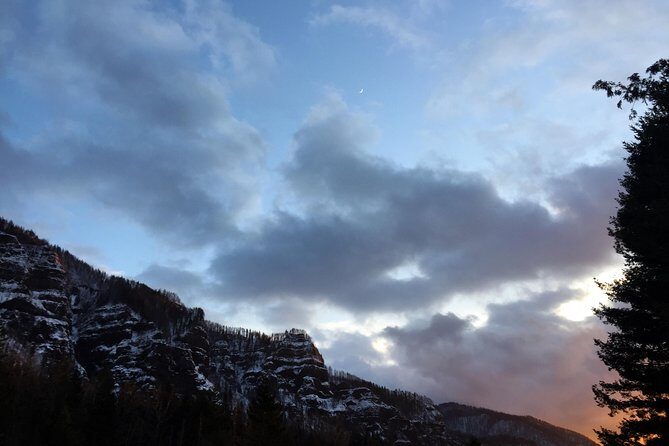
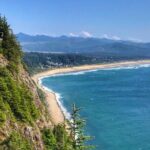
One of the most classic photo opportunities on the eastern Gorge drive is Rowena Crest Viewpoint. You’ll get about 20 minutes here. It’s short, but that’s intentional: this is the spot you go to for a very specific kind of view, and you want enough time to take photos without wasting daylight elsewhere.
If the weather is clear, this is a place where the scenery reads instantly. If it’s cloudy, you might still catch the shapes and layered rock tones that make the gorge feel sculpted.
Practical tip: bring a lens cloth or quick wipe if you’ve been in mist. Even light smears can ruin photos when you’re dealing with bright sky.
The gorge driving route: a Swiss Alps-inspired scenic highway with real road limits
This part of the tour focuses on a historic highway inspired by the Axenstrasse in the Swiss Alps. That’s a cool detail, but what matters for you is the driving style and views: you’ll pass engineering marvels and scenic road segments on both the eastern and western gorge sides.
The tour notes that you can no longer drive the entire highway start to finish. Translation for your day: don’t expect one continuous scenic drive where you stop exactly where you want. The tour gives you the portions that are still accessible and highlights the best photo windows.
As you drive, you’ll pass a series of named and described spots. Some are big-ticket (waterfalls), while others are quick looks that reward attention.
A few of the stops you’ll hear about along the way include:
- A Columbia River crossing tied to the Pacific Crest Trail, described as the lowest point on that trail and named for a Native American legend that explains local geology.
- Bonneville Dam, called the first Public Works Administration dam on the Columbia River, completed in 1938.
- The largest hatchery in Oregon.
- A towering volcanic plug made of columnar basalt, described as similar in size and composition to Devil’s Tower, Wyoming (and noted as the fifth largest free-standing monolith in the world at 848 ft / 258 m).
- Several small roadside waterfall moments where your guide tells you when to look.
This is where being in a small group matters. You’re less likely to miss the timing cues that keep the road stops meaningful.
Multnomah Falls and the waterfall rhythm of the Gorge
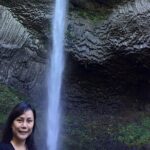
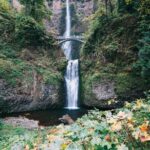
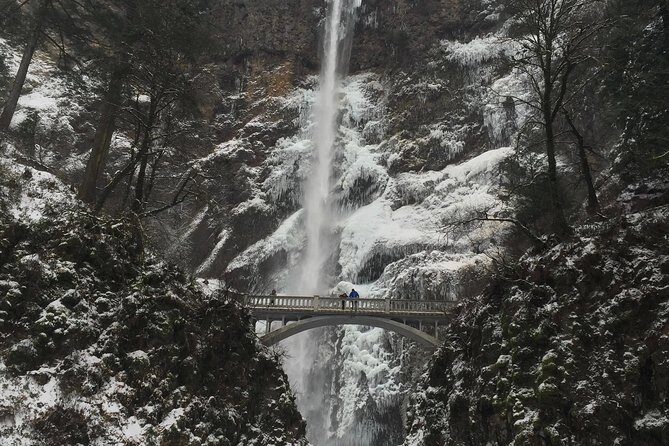
This tour’s waterfall core is where it earns its reputation. You’ll stop at Multnomah Falls, the tallest waterfall in Oregon, with a combined height of 620 feet. You’ll have about 30 minutes there, which is enough time to see it from key viewing areas and still feel like you’re not just doing a 60-second checkpoint.
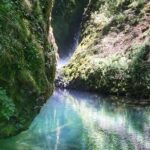
Then there are additional short waterfall passes where the guide encourages you to watch closely. This matters because the gorge isn’t only about one famous waterfall. There are smaller drops and quirky geological features that make the drive feel alive.
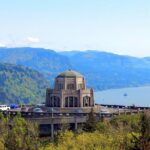
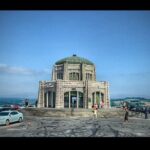
One example you’ll hear about as you pass: a feature once known as Thor’s Hammer, with a crown-shaped building sitting atop, and a waterfall coming down the side. Another quick stop involves a rock tied to North America’s oldest continuously running nudist beach. You don’t have to linger to get the context; just knowing what you’re seeing makes the road feel less random.
Practical tip: if you want photos at Multnomah Falls, plan to spend time early in your stop rather than waiting until the end. Waterfalls change with wind and light, and those first few minutes can be your best chance.
More than waterfalls: the Sandy River crossing and why the salmon story matters
Near the end of the loop, you’ll cross the Sandy River between the Columbia Gorge and Willamette Valley. This is a great “what you learned today” moment because it ties back to Mt. Hood: the Sandy’s headwaters are described as a glacier on Mt. Hood. The river is known for steelhead and chinook runs, and it’s also part of the story of how dams can change river life.
The tour points out that dams on three Columbia tributaries have been removed since 2007, and it includes the Sandy in that context. Even if you’re not a fish expert, it gives you a reason to care about what would otherwise just look like another river crossing from the bus.
If you like nature that comes with human decisions, this part lands. It turns the drive from scenery-only into cause-and-effect.
Price and logistics: is $139 a good deal for this loop?
At $139 per person for about 8 hours, you’re paying for a packed day without the driving burden. The included items are meaningful: snacks, bottled water, an air-conditioned vehicle, and a PA system that keeps you in the conversation even if you’re seated farther back.
Lunch isn’t included, which is normal for a day trip, but it’s also why the Hood River stop is timed to give you a full lunch hour. If you were doing this yourself by rental car, you’d likely spend on fuel, parking, and the time cost of navigating multiple stops. Here, the schedule does that work for you.
What keeps the price feeling fair is the mix of stops:
- A major mountain destination (Timberline Lodge area)
- Two quick orchard-store flavor stops
- A real lunch window
- A guided Gorge route with big and small sights
If your priority is one or two famous stops only, you might decide it’s more economical to DIY. But if you want a day that hits multiple “I can’t believe we saw that” moments, this price is easier to justify.
Who this tour is best for (and who should skip it)
I think this fits best if you want:
- A strong day-trip plan from Portland without building your own route
- Multiple waterfalls and photo stops without missing key turnoffs
- A guide who can tailor pacing a bit for the group’s interests (small group helps here)
It may be less ideal if:
- You hate riding in a vehicle for most of the day
- You prefer long hikes or long stays at just one place
- You want everything to be fully optional and slow
One more thought: the tour requires good weather. That’s not just a legal line—it’s a real factor for views on Mt. Hood and the Gorge. If you’re coming during a season when weather can be fickle, pack layers and expect that the guide might adjust how you experience certain stops based on conditions.
Final call: should you book the Hood-Columbia Loop?
Yes—if you want one day that actually gives you Timberline Lodge and a solid run through the Gorge’s big attractions. This is the kind of trip where the structure is the value: short enough to stay fun, long enough to feel like you earned your camera battery.
If you’re on the fence, ask yourself this: do you want to drive yourself between waterfalls, monoliths, and viewpoints—or do you want someone to handle the timing while you focus on seeing? If your answer is the second one, this tour is a strong fit for Portland visitors who want maximum variety in a single day.
FAQ
How long is the Hood-Columbia Loop tour?
It runs about 8 hours.
What’s the meeting point in Portland?
The start and end point is 523 NE 19th Ave, Portland, OR 97232, USA.
Is pickup available from hotels outside the meeting point?
Yes. Pickup locations are flexible, and the company will contact you the evening before to confirm pickup time and location.
What does the tour include and what doesn’t?
Included: snacks, bottled water, an air-conditioned vehicle, and a PA system so the back row can hear the guide. Not included: lunch and gratuities.
What’s the group size?
The tour has a maximum of 14 travelers.
What should I do if the weather is bad?
This experience requires good weather. If it’s canceled due to poor weather, you’ll be offered a different date or a full refund.
You Might Also Enjoy
More Tour Reviews in Portland
- The Real Portland Tour: City and 3 Lighthouses Historical Tour with a Real Local
★ 5.0 · 1,448 reviews